
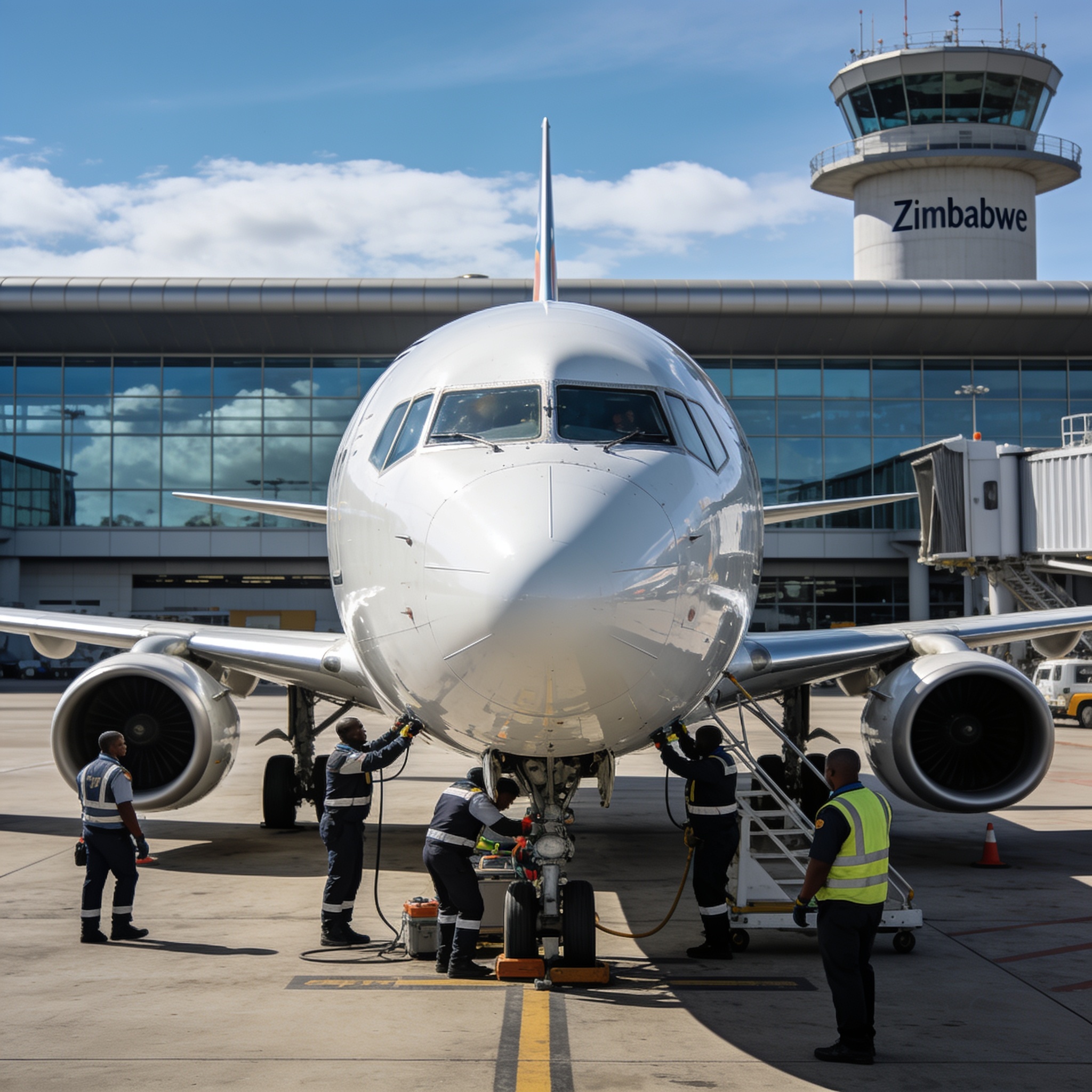
Aviation recovery faces its next test
Zimbabwe’s airport operators are putting more emphasis on attracting additional carriers after several years in which route scarcity, high fares and uneven connectivity weakened the country’s air travel image. Passenger data now suggest a turning point: international movements reached roughly 2.16 million in 2025, while total terminal traffic moved close to 2.53 million. The bigger question is whether those numbers can be turned into a stable network rather than a short-term rebound.
The push is aimed at a facility built for about six million passengers. For Harare readers, the practical meaning is simple: more airlines should mean more choices, more competition and a better chance of reasonable ticket prices. Yet choice alone does not create a healthy hub. Airlines need predictable schedules, enough business traffic, diaspora demand, freight flows and confidence in ground services.
Why more carriers could change everyday travel
Zimbabweans regularly rely on air links for family visits, medical care, education, trade and short investment trips. When route options are thin, travellers pay twice: once in higher fares and once in lost time. A broader airline base can restore some of that lost convenience.
- Direct links to major economic centres could reduce long connections and overnight stays.
- More scheduled services may help small exporters and consultants who need predictable trips.
- Competition among carriers often puts pressure on ticket pricing and baggage terms.
- Diaspora travel patterns become easier to serve when flights are frequent rather than seasonal.
Capacity is not the same as connectivity
A modern terminal can process thousands of travellers each day, but a six-million passenger environment needs more than gates and runways. Visa policy, fuel costs, airport fees, security perception and airline profitability all shape whether a route stays open. If one carrier withdraws, others may hesitate to replace it unless demand is strong and reliable.
There is also a reputational side. Zimbabwe’s aviation sector has had to reassure both travellers and partners after periods of uncertainty. A successful campaign for new flights will need transparent performance reporting, smoother immigration handling and better coordination with tourism and trade agencies.
What to watch next
The next indicator is not simply whether another airline announces service, but whether that service survives beyond the launch period. Route announcements are easier than route retention. If airlines add flights but cut frequencies within a year, the country may still be seen as a difficult market rather than a connected hub.
For now, the traffic recovery gives policymakers a useful opening. Zimbabwe can argue that passenger demand is returning and that global carriers should reconsider the country’s place in southern African networks. The challenge is to translate that opening into durable routes that benefit households, businesses and Harare’s wider economy.