
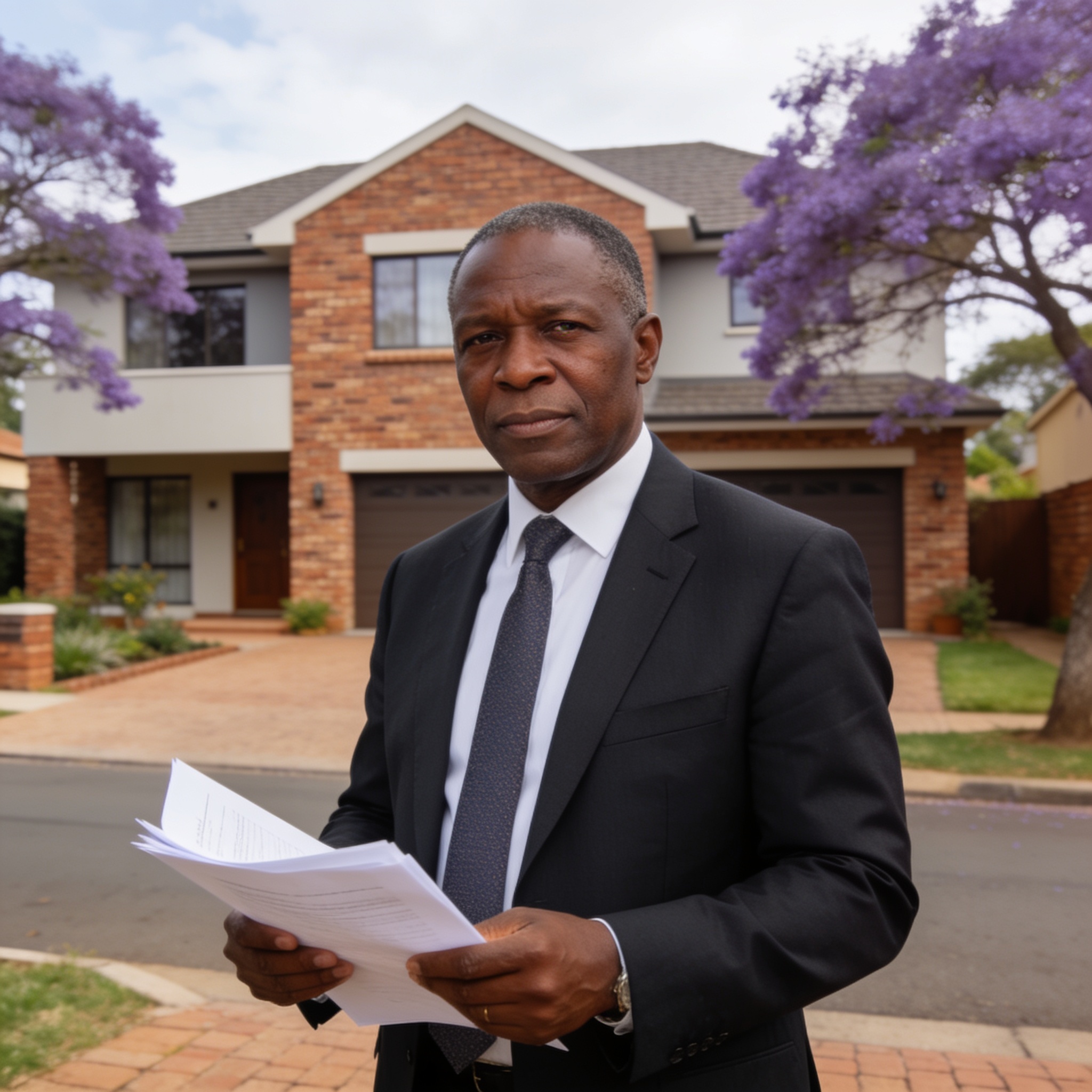
Finance Secretary George Guvamatanga has found himself at the centre of renewed public scrutiny following a Zimbabwe Revenue Authority (Zimra) compliance exercise at the upmarket Borrowdale Brooke estate. The exercise has reignited social media claims that the former Barclays Bank chief executive owns as many as 25 properties in the gated community—allegations that have not been substantiated by any documentary evidence.
According to a widely circulated memo from the Borrowdale Brooke homeowners association, Zimra requested information relating to properties within the estate under Section 39 of the Income Tax Act. The requested details include property owner, tenant name, and lease commencement date. The association advised residents that it is legally obliged to comply and will release the information shortly.
While some of Guvamatanga’s detractors have sought to link the Zimra exercise directly to the Treasury boss, there is no evidence to suggest he initiated or is the target of the compliance check. Zimra has stated that the information-gathering exercise is part of routine compliance checks rather than a campaign targeting wealthy individuals or residents of a particular area.
The claims about Guvamatanga’s property portfolio are not new. In September 2024, he faced intense scrutiny over alleged offshore properties and lavish assets. At the time, Guvamatanga maintained that he enjoyed a successful banking career that enabled him to acquire properties in Africa, Europe, and other jurisdictions from as far back as 2003. He also said he had built a real estate business over the past 20 years and developed a productive farming enterprise. However, the specific allegation that he owns 25 houses in Borrowdale Brooke remains unverified.
Public officials, particularly those managing the country’s finances, should expect scrutiny of their assets and conduct. However, such scrutiny must be grounded in evidence. Those alleging that Guvamatanga owns 25 properties in Borrowdale Brooke should produce credible evidence such as title deed numbers or other independently verifiable records. Equally, assertions that all his assets were properly declared or acquired before he joined government should be capable of verification.
The latest controversy also comes against the backdrop of the government’s drive to increase tax collections. Guvamatanga has been vocal about the need to raise Zimbabwe’s tax-to-GDP ratio from around 17 percent towards 22 percent and push annual revenue beyond US$10 billion. While these policies are bound to attract criticism, it would be problematic to assume without evidence that the Borrowdale Brooke exercise is a personal initiative by Guvamatanga or that criticism of him is necessarily retaliation for his tax policies.
As one of the country’s most visible senior civil servants, Guvamatanga is likely to remain under the microscope. The answer should not be to shield him from scrutiny, nor to treat every allegation circulated online as fact. Scrutiny where warranted, evidence where allegations are made, and fairness in drawing conclusions—that standard should apply to everyone, including Guvamatanga and his critics.