
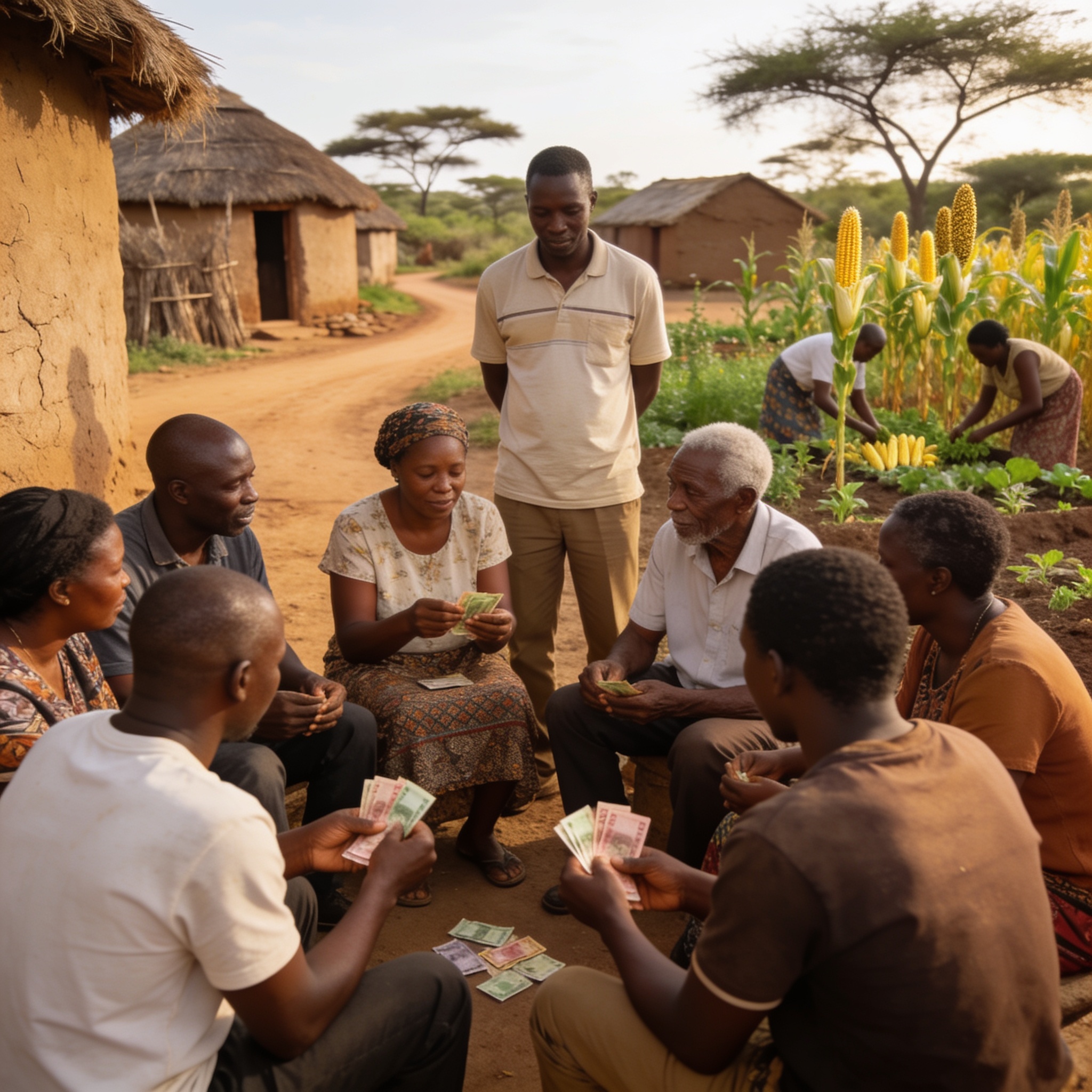
In the rural expanses of Beitbridge West, a quiet financial revolution is unfolding. What began as a simple practice of pooling modest weekly savings among neighbours has blossomed into a robust system of sustainable livelihoods, touching the lives of hundreds of villagers across Wards 6, 7 and beyond.
The initiative, rooted in the principles of collective thrift, has empowered communities to move beyond subsistence and into small-scale enterprise, with many residents now able to fund children’s education, invest in livestock, and improve household food security. Local leaders attribute the success to a disciplined culture of saving that has taken hold over recent years.
From pennies to progress
Participants deposit small amounts each week—often no more than the price of a loaf of bread—into communal pools managed by selected group members. These savings are then rotated among members as loans or invested in joint ventures, such as buying farming inputs in bulk or opening small retail kiosks. The model, widely known in Zimbabwe as village savings and lending associations (VSLAs), has proved resilient even in the face of economic headwinds.
Local facilitators say the discipline among members is exceptional: groups meet weekly without fail, and peer accountability ensures that loans are repaid on time. This social contract has turned small change into meaningful capital for many families.
Building sustainable futures
Beyond immediate financial relief, the savings groups are fostering long-term development. Several families have reportedly diversified into poultry, goat rearing, and small horticulture projects. Others have used loans to pay school fees, reducing the reliance on remittances from relatives working in South Africa or urban centres.
The knock-on effects are visible: improved nutrition, better school attendance, and a renewed sense of agency among villagers. In Ward 7, a group of 25 members recently pooled savings to purchase a grinding mill, which now provides both a service to the community and a steady income stream.
Economic analysts note that such grassroots models are crucial in rural Zimbabwe, where formal banking infrastructure remains thin. By leveraging social capital and local trust, these savings groups fill a gap that commercial banks have long neglected.
As the movement grows, there is hope that it will attract support from government agencies and NGOs seeking to scale up rural financial inclusion. For now, the villagers of Beitbridge West are proving that even the smallest weekly contribution can lay the foundation for a sustainable future.