
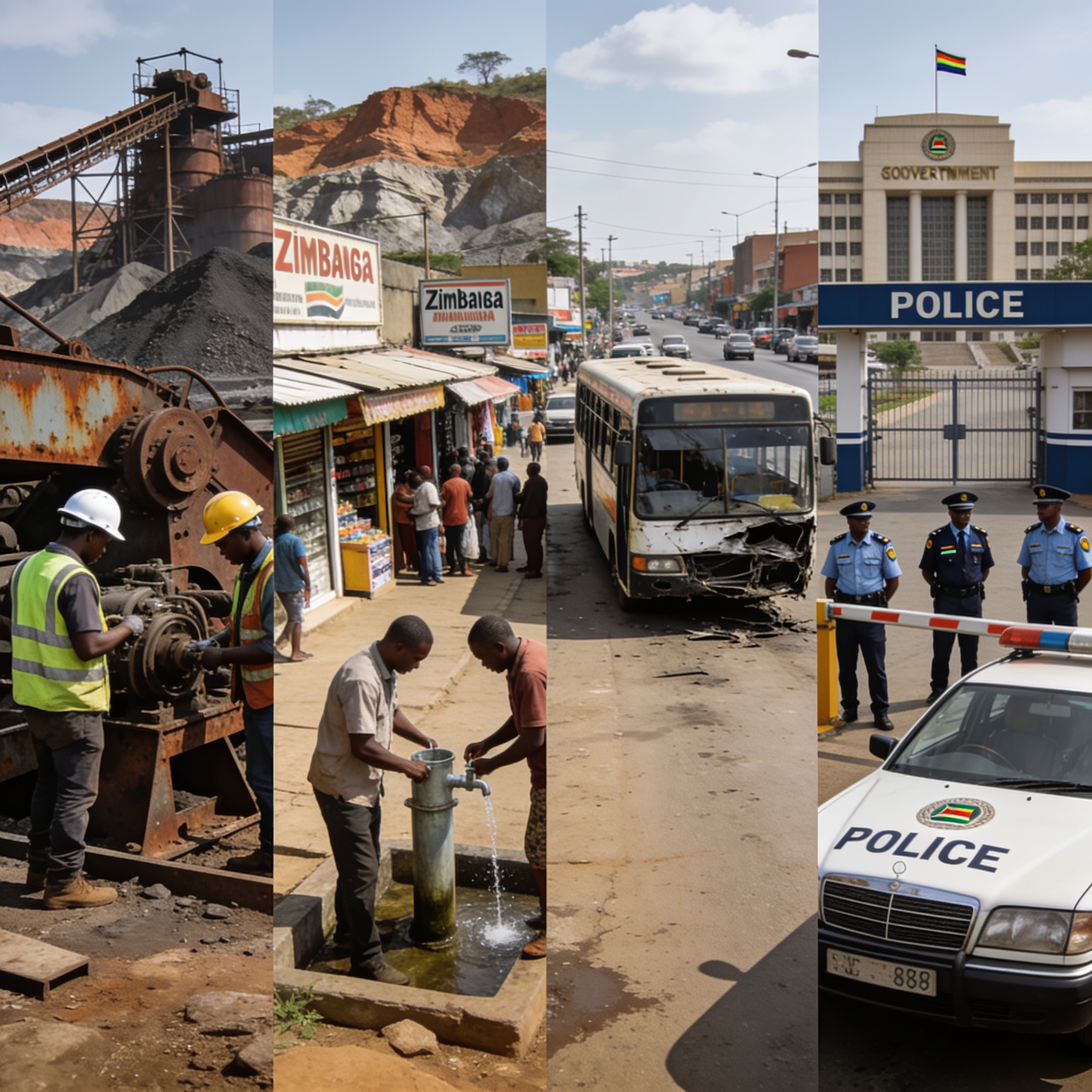
HARARE, 4 November 2026 – Zimbabwe enters November with a widening gap between diplomatic messaging and the concerns of ordinary citizens. The official account of President Emmerson Mnangagwa’s visit to the Russia-Africa Summit emphasises partnership, trade and scientific cooperation, but it offers little detail on one issue that has unsettled families across the country: the reported recruitment of Zimbabweans into Russia’s war effort.
That omission matters because the crisis is no longer a rumour. It involves missing young people, deaths abroad, deceptive job offers, arrests of suspected local facilitators, DNA collection exercises and repeated government warnings. While Harare’s summit report highlights economic engagement, citizens are looking for a clearer explanation of what was raised in Moscow, what protections were sought and how survivors and remains will be returned.
A summit report that leaves questions unanswered
Other African governments have treated the issue as a direct diplomatic priority. Ghana has confronted Moscow over nationals drawn into military service, while Kenya says it secured an agreement to stop new enlistments and appointed a defence attache to assist those already caught up in the conflict. The contrast puts Zimbabwe’s silence under sharper scrutiny.
For Harare Express readers, the point is simple: foreign policy should not be separated from citizen safety. A partnership with Russia may be attractive in terms of energy, agriculture, education and industry, but it becomes politically fragile if it appears to overlook the fate of young Zimbabweans used as labour, soldiers or bargaining chips in another country’s war.
Mining policy, local benefit and investor nerves
The diplomatic questions arrive as Zimbabwe’s mining sector undergoes its own reset. Mutapa Energy has asked parliamentarians for stronger policy and institutional backing for Sandawana, arguing that a locally driven lithium project needs a fair chance against foreign-owned producers. The request reflects a broader national ambition: mineral wealth should not only be extracted, but converted into jobs, value addition and export earnings.
At the same time, Namib Minerals is accelerating the restart of the Redwing gold mine, targeting an initial pour this month. The shift comes after new production expectations for foreign-owned operators in the small-scale and medium-scale gold sector. The move shows that regulatory signals can change investment timetables quickly.
Officials now acknowledge that the mining ministry needs to return to abandoned mandates and push for a functional mining cadastre. The message is clear: Zimbabwe wants more citizen participation, but it also needs predictability. If rules are announced and applied inconsistently, investors may pause while ordinary Zimbabweans still see little benefit from mineral wealth.
Service delivery, road deaths and urban pressure
Domestic governance is also under pressure. In Masvingo, councillors say refuse collection is failing because compactors are broken down, leaving residents frustrated and illegal dumpsites emerging. The crisis may appear local, but it feeds a national conversation about municipal capacity, accountability and communication.
On the roads, lawmakers are blaming reckless driving, especially overloaded mushikashika minibuses, for rising crash numbers. The Traffic Safety Council continues awareness campaigns, yet enforcement remains the missing ingredient. A compensation fund may help victims after accidents, but it cannot replace roadblocks that actually stop dangerous vehicles.
In Bulawayo, police warn that substance abuse is drawing people from other provinces, with crack cocaine, crystal meth, marijuana and other drugs fuelling family violence and health crises. These are not isolated urban problems. They are symptoms of unemployment, weak prevention systems and the need for stronger community policing.
Rights, labour and the cost of education
The week also carries reminders that social stability depends on trust. A rights group says a human rights defender in Chilonga has faced threats while campaigning against evictions affecting the Shangaan community. The government has warned trade unions that non-compliance with labour laws may lead to suspension, while families face a revised framework that scales back some national exam subsidies.
Each issue has a common thread. Zimbabweans are asking whether institutions can protect them, deliver services and create fair economic opportunity without coercion, silence or selective enforcement.
What Zimbabwe should do next
Harare should publish a detailed account of what was raised with Moscow over recruitment, missing citizens, repatriation and compensation. It should make mining policy transparent, with clear timelines, local content rules and dispute mechanisms. Municipalities must be held to service delivery standards, traffic enforcement must be credible and rights defenders should be protected by law rather than intimidated.
The country’s next test is not whether it can attract diplomatic attention or restart mines. It is whether those moves translate into security, dignity and economic benefit for ordinary Zimbabweans.