
A month of competing messages
Zimbabwe enters late October with two stories pulling at the public: a government showing development projects and economic ambition, and a society absorbing tough numbers on roads, livelihoods and land fraud. The common thread is confidence: whether households can trust that policy, investment and law enforcement are reaching their daily lives.
Housing and heritage in Kadoma and Bulawayo
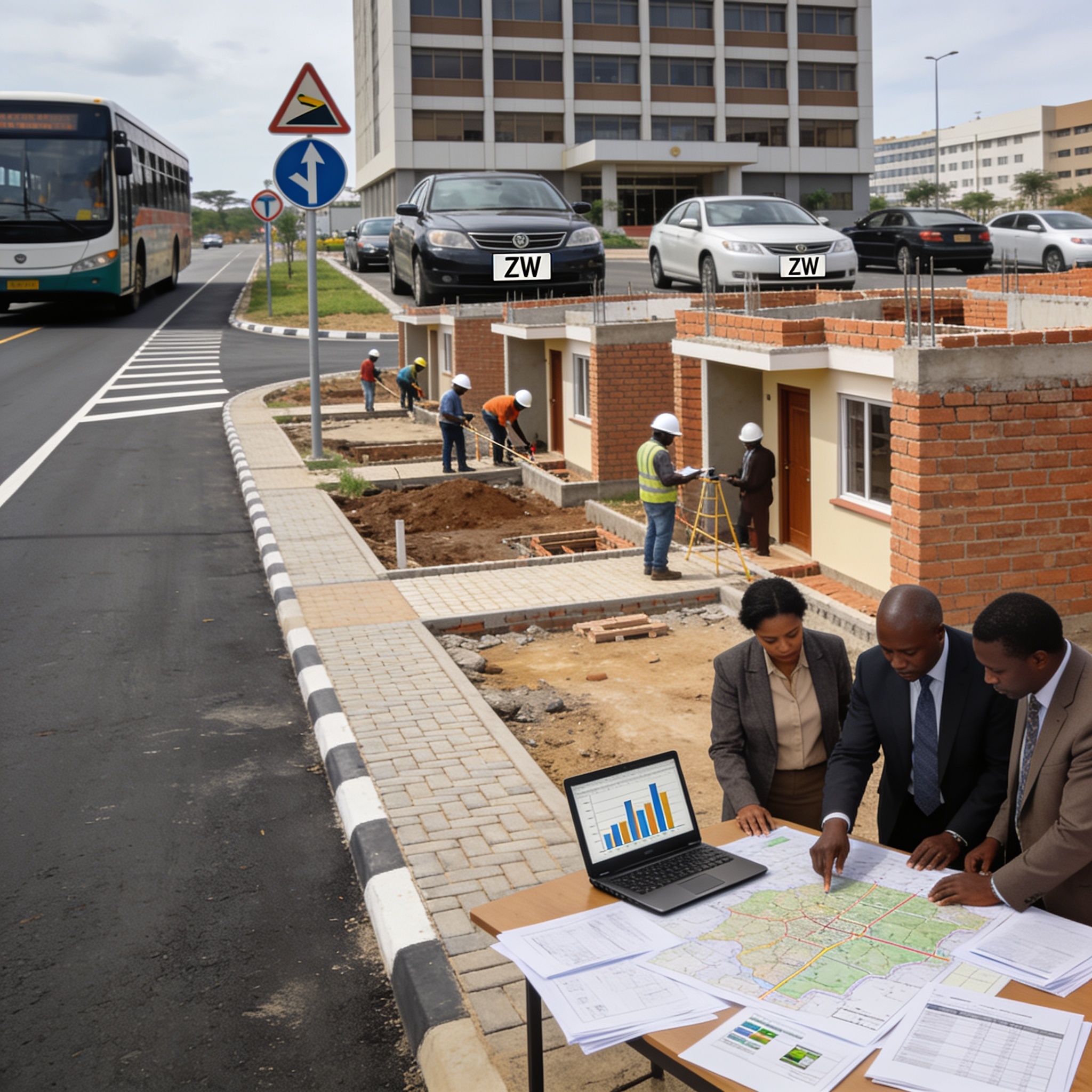
The commissioning of the Great Dyke Smart City project around World Habitat Day puts housing squarely back in the spotlight. The project is presented as part of a wider effort to widen access to suitable and financially realistic homes, but its political value depends on whether it can offer realistic occupancy, basic services and transparent land administration.
In Bulawayo, a different kind of civic energy is being cultivated. Organisers of the Joshua Nkomo Peace Marathon are asking companies to commit to the April 2027 race early, arguing that late requests for support squeeze budgets and weaken planning. The event blends sport, heritage and city pride, with organisers seeking more than 10,000 participants and positioning the marathon as a qualifier with international appeal.
Jobs, enterprise and the 2027 budget debate
As graduates leave school, the message from state-linked events is clear: public employment cannot be the only exit route. Officials are encouraging entrepreneurship, innovation and technology-led business, a call that fits an economy where small and micro enterprises remain important but often fragile.
That fragility is visible in recent business-environment reporting, which highlights cash-flow stress from late payments and bad debts. In parliament, the lands and agriculture committee has pressed for stronger funding and coordination as the 2027 budget is prepared. Advocates have also asked for disability-friendly transport, farmer protection, drought insurance and a strategic grain reserve. The broader argument is that Zimbabwe’s next budget should not only count revenue, but measure resilience.
The human cost of roads and the problem of land fraud
Road statistics remain the starkest warning. Figures circulated by road-safety authorities show tens of thousands of crashes in the first nine months of 2026, with close to 2,000 deaths and thousands injured. Human error remains the leading explanation, and police have renewed warnings that vehicle sellers can still face liability if ownership is not transferred within the required period. For families, the consequences are not just emotional: they include lost income, interrupted schooling and long recovery costs.
Land governance is another trust test. Police say a nationwide operation this year has led to dozens of arrests of suspected land barons and illegal land dealers, with complainants linked to fraud and unlawful occupation. In a country where housing demand runs ahead of formal supply, weak enforcement feeds speculation, while clear records and credible planning can help protect first-time buyers.
Why this matters
Zimbabwe’s current news cycle suggests a government trying to project momentum through housing, agriculture, mining earnings, external partnerships and heritage sport. But public trust will be built through quieter indicators: safer roads, transparent land transactions, consistent payment for suppliers, accessible services for persons with disabilities and policies that survive beyond launch events.