
Zimbabwe News: Heat, City Charges and Service Warnings
6 November 2026 – Harare Express – Zimbabwe households are beginning the holiday season facing a mix of rising municipal costs, public-health alerts, education financing disputes and technology issues that could affect daily travel and basic services.
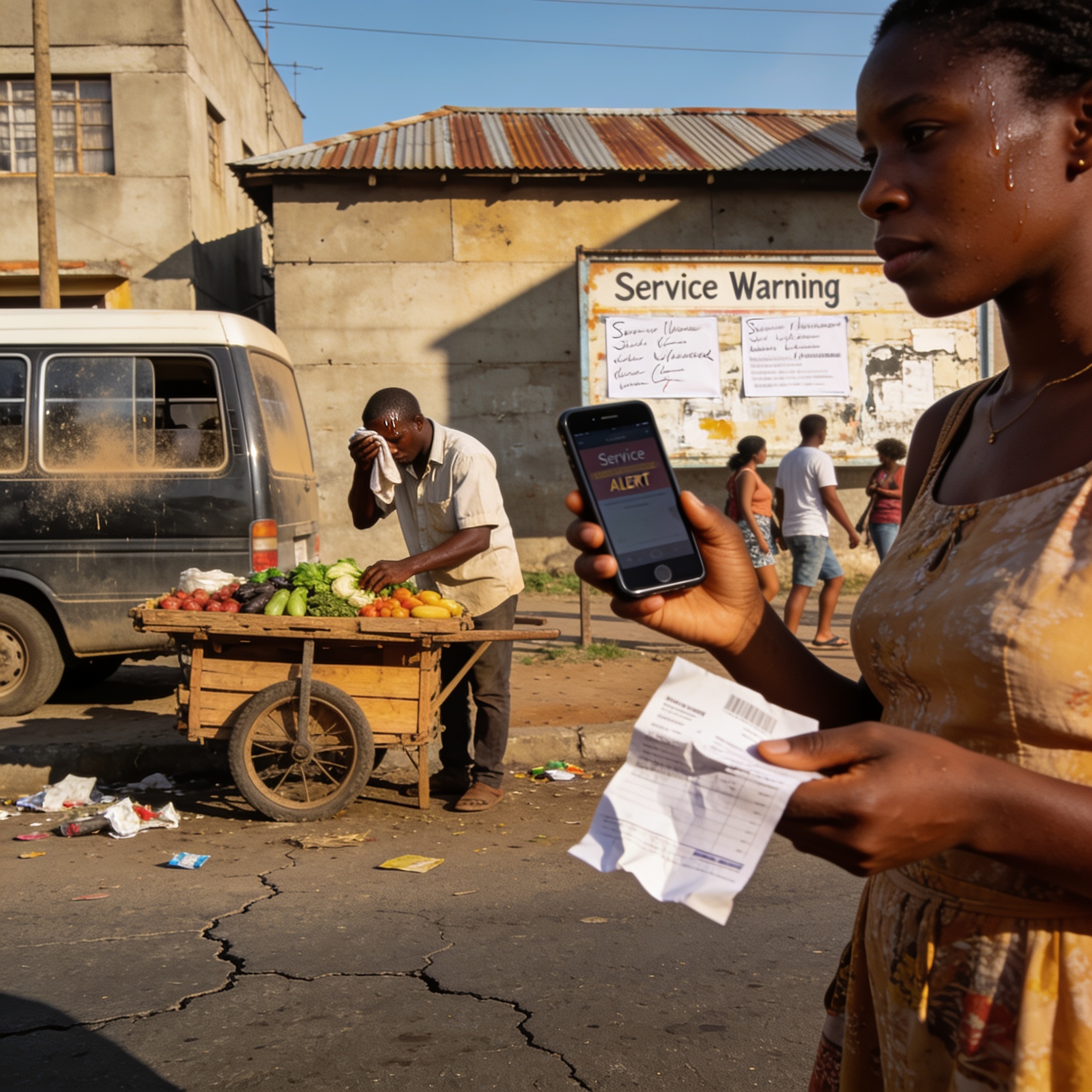
Extreme heat prompts fresh caution
Health authorities are urging residents to take heat safety seriously after warnings that high temperatures and lower rainfall are expected across parts of the country. Children, elderly people, pregnant women, people with chronic illness and outdoor workers are seen as especially exposed.
The advice is practical: drink clean water frequently, stay away from direct sun during peak hours, wear loose clothing and use cool, ventilated spaces. Families are also encouraged to check on vulnerable relatives and never leave children in parked vehicles. Employers, particularly in agriculture, construction and informal trade, should provide water and shaded breaks.
Bulawayo budget increases pressure on homes and firms
In Bulawayo, a new draft budget for next year brings a steep change in service charges. The proposal includes a general tariff increase of about half of current levels and additional levies tied to roads, street lighting and disaster readiness.
Householders would carry more monthly costs at a time when water supply, roads and sewerage remain long-standing concerns. The city says the move is meant to catch up with several years of limited price adjustments, while businesses warn that extra charges could affect prices and operating costs.
School fee debt tactics return to public debate
Concerns about unpaid school fees have also moved into the open, with lawmakers questioning how institutions pursue parents. Government officials have said that pupils should not be punished for household debt and that examination results should not be withheld. Schools are instead expected to deal with parents directly.
The discussion matters to Harare families because many households are stretched across school fees, transport, food and rent. Parents with payment difficulties may need to seek written agreements and clarify any interest or recovery terms before enrolment or term registration.
Traffic enforcement errors raise trust questions
Automated traffic monitoring remains another hot topic after officials acknowledged that some notices may have been generated with incomplete or inaccurate vehicle details. Home Affairs representatives said the issue involves validation and operational fixes, while defending the technology as useful when evidence can be checked by motorists.
For drivers, the message is simple: review every notice, use any verification link or evidence offered, and dispute mismatched details promptly. As cameras expand across Harare and other urban centres, public trust will depend on accuracy, communication and fair correction.
Epworth nutrition work points to local solutions
A community-led child nutrition effort in Epworth shows how neighbourhood education can ease pressure on families. Volunteers are helping caregivers combine affordable local foods into more balanced meals, while involving fathers, older children and grandparents in decisions that traditionally fell to mothers.
The model also links households closer to clinics through early screening for malnutrition. In a city where food prices are volatile and incomes remain tight, practical advice at home may be more valuable than information delivered only at clinics.
What Harare readers should watch
This week’s stories point to a common theme: Zimbabwe’s public and private systems are trying to adjust while residents absorb the costs. Heat risks, municipal charges, school debt practices and traffic fines are not isolated news items. They touch budgets, health, mobility and family routines.
For now, the most useful response is local: households can plan for hotter weather, question service bills, confirm fee agreements and challenge inaccurate notices. Harare Express will continue tracking these developments as they move from policy debate to real street-level impact.