
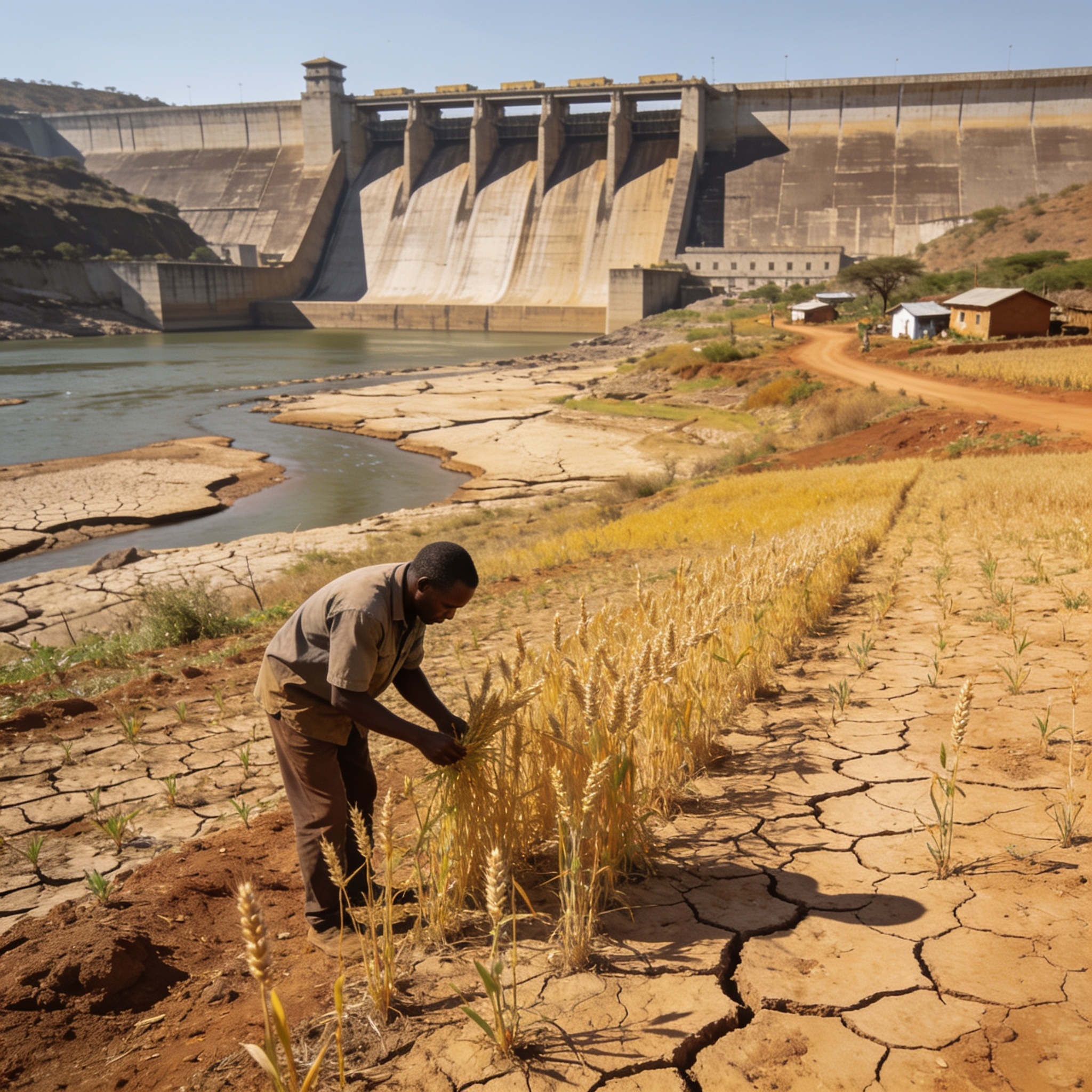
Water, power and food: Zimbabwe enters high alert mode
Zimbabwe is preparing for a harder 2026 to 2027 climate season after the Zambezi River Authority sharply reduced the amount of water set aside for power generation at Kariba Dam. The cut places renewed pressure on utilities, farmers and households already living with frequent supply disruptions and uneven rainfall.
For readers tracking the local impact, the signal is clear: a drier season is not only an environmental warning. It could affect load shedding patterns, crop yields, food transport and the government budget needed to cushion vulnerable communities.
A smaller water pool for Kariba in 2027
The new allocation leaves the Zimbabwe Power Company and Zesco with about 11.5 billion cubic metres each for next year, a reduction of roughly 36 percent from the revised amount available in 2026. The Authority says the decision reflects expectations of strong El Niño conditions and below normal inflows into Lake Kariba.
That matters because Kariba remains central to the power mix of both countries. If inflows weaken, operators must choose between conserving water for future security and releasing enough to generate electricity today. Either path can create discomfort.
Why the forecast is troubling despite a higher lake level
As of October 14, 2026, Lake Kariba stood at a better level than the same time last year. Usable storage had recovered, giving both utilities some breathing space before the next rains. Yet projections for the coming season show a much lower level at the end of 2027, with only a small share of live storage remaining if planned withdrawals are fully used.
The risk is therefore not that the lake has collapsed today. It is that a poor rainy season may prevent the kind of refill needed to sustain hydropower, irrigation and downstream water needs.
A US$500 million buffer aimed at drought shocks
Government is assembling a US$500 million climate reserve, described as a balance of cash and grain. The aim is to reduce the scramble that often follows a drought year, when emergency food procurement, transport costs and relief operations become more expensive.
For ordinary families, a buffer helps only if it reaches schools, clinics, rural markets and small producers before supplies tighten. If it is released late, its calming effect on prices and food access may be weaker.
Agriculture becomes the early warning system
Farmers have already harvested more than 82,000 tonnes of wheat, but the bigger challenge will be maize and other staples during the next season. Rain-fed agriculture covers most of Zimbabwe smallholder production, which means a shift from normal to below normal rainfall can quickly change household food plans.
The meteorological outlook gives a 65 percent chance of below normal rainfall across much of the country. For agriculture, that suggests a stronger focus on drought tolerant seed, water harvesting, planting schedules and local grain storage.
What Harare and Bulawayo households should watch
In cities, the first signs of a climate shock are rarely dramatic. They appear as longer power interruptions, more water rationing, tighter business hours and rising costs for transport and basic goods. A smaller Kariba allocation can feed into those patterns, especially if regional power trade becomes less flexible.
Households can reduce exposure by keeping emergency water storage, planning fuel and transport choices around peak periods, buying staple foods in advance when possible and supporting local food networks that are less dependent on long supply chains.
Long term energy projects cannot solve next season alone
Zimbabwe is also promoting larger energy plans, including developments linked to the Batoka Gorge and other infrastructure. They are important for expanding generation capacity over time. However, they do not replace the immediate need for careful water management, demand control and stronger drought preparedness.
The practical challenge for 2026 and 2027 is simple: protect the remaining water, support farmers early and ensure relief funds arrive where they are needed before scarcity becomes visible.