A helicopter crash near Marondera on Wednesday evening has put Zimbabwe at the centre of an intense public conversation about grief, inequality and political patronage after the aircraft killed businessman Wicknell Chivayo and five other people. The accident also became an international talking point after Kenyan President William Ruto offered condolences, highlighting how closely Chivayo’s life overlapped with regional politics and business networks.
What we know about the crash
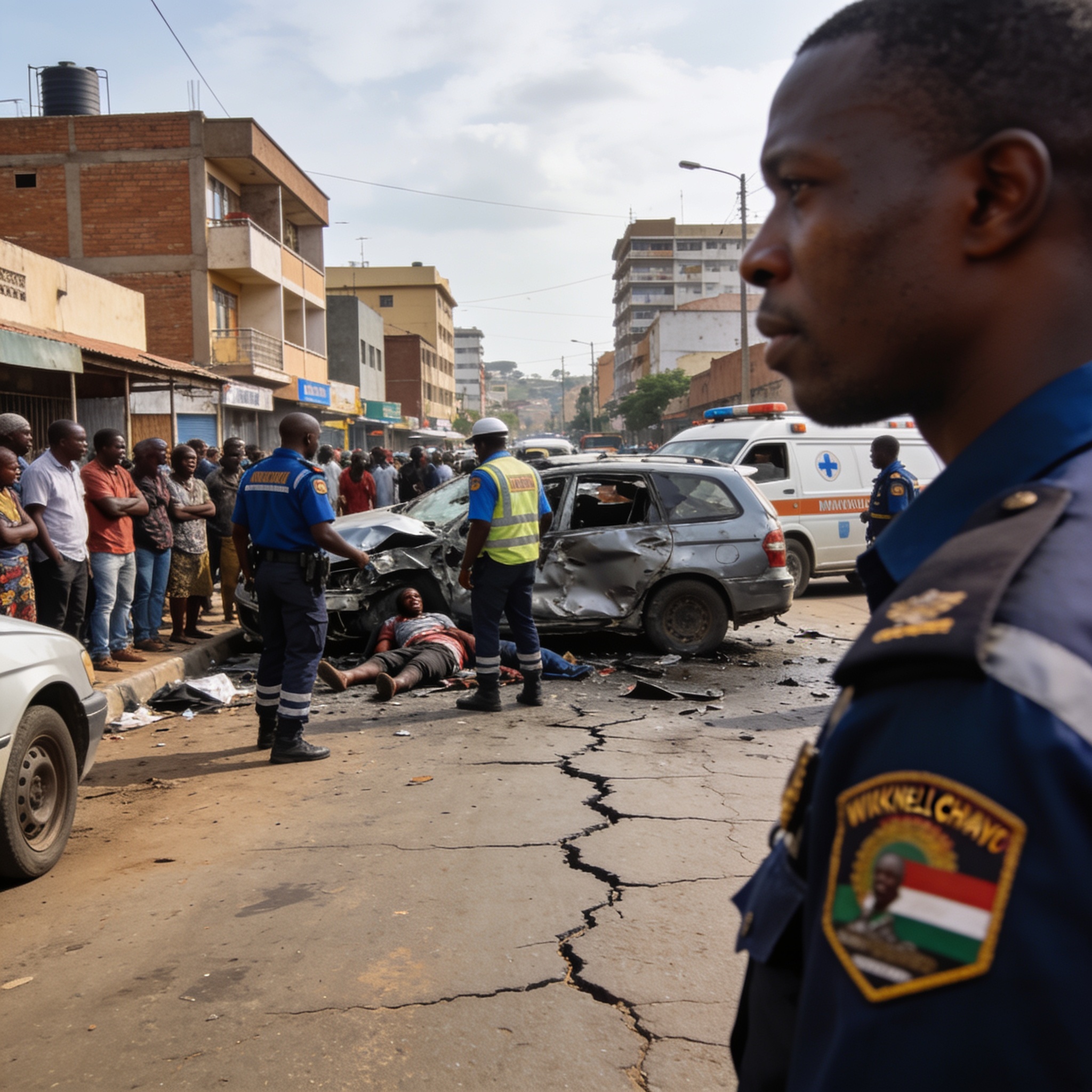
Authorities said the aircraft crashed in a rural area east of Harare, around 75 kilometres from the capital. Six occupants were reported dead, among them Chivayo and his wife. Police said more details would be released after investigations. At this stage, the cause has not been confirmed, and the focus has moved quickly from accident response to what the tragedy reveals about power, money and public anger in Zimbabwe.
A mixed national response
The reaction on social media, in homes and in informal transport settings has been unusually divided. Some voices described the accident as a national loss and urged respect for the dead. Many others made it clear they felt little sympathy, pointing to years of controversy around Chivayo’s public spending, self-promotion and links to politically connected beneficiaries. The mood is not simply cruelty; it is a reflection of frustration over visible wealth in a country where many people struggle to access basic services and fair economic opportunity.
Harare Express readers should note that celebrating death can deepen division and reduce the space for mourning. Yet the public response also shows how quickly trust collapses when wealth is perceived as being built through state contracts, inflated tenders or patronage rather than productive enterprise. The tragedy is now being interpreted through that wider sense of injustice.
Why Ruto’s message matters
President William Ruto’s statement confirmed that Chivayo had relationships beyond Zimbabwe’s borders. By describing the late businessman as a friend and recalling his warmth and Africanist ambitions, Ruto opened a window into the kind of regional network that made Chivayo more than a local figure. In Harare, such messages are likely to intensify questions about how Zimbabwe’s business elite interact with foreign leaders, and whether those interactions strengthen national development or reinforce opaque systems of influence.
From Intratrek to public spectacle
Chivayo’s public image was built around the name Intratrek and large projects, especially the long-running Gwanda Solar initiative. His story moved from legal controversy to enormous visibility, driven by flashy gifts, high-profile photographs, appearances with religious and political figures, and social media campaigns that turned generosity into a public performance. Supporters saw a self-made entrepreneur who gave money to churches, artists and sports teams. Critics saw a pattern of cash dispensing that rewarded loyalty and blurred the boundary between philanthropy, politics and procurement.
The debate has also touched on accountability. Contracts linked to Chivayo have been questioned in public discourse, including deals connected to election materials and large energy plans. Those issues were not decided by this crash, but they have been part of the anger that followed its news.
What the crash exposes
First, it exposes how concentrated public resentment has become around elite wealth. Zimbabweans are not only reacting to a single businessman; they are reacting to the idea that access to state resources can produce spectacular private fortunes while hospitals, schools and roads remain fragile. Second, it exposes how political communication can misread public mood. If officials attempt to direct national mourning without acknowledging the reasons for anger, the result may be further scepticism. Third, it raises questions about safety and emergency infrastructure. A crash in rural Marondera has revived talk about whether local services are adequate for accidents involving high-profile figures or ordinary citizens.
Harare Express perspective
For Harare, the moment demands balance. There must be respect for the victims and their families, including those who died alongside Chivayo. At the same time, Zimbabwe should not suppress difficult public emotions without addressing the systems that created them. A fair investigation of the accident is needed. Just as urgently, citizens want clearer transparency around tender awards, political financing, church and media patronage, and the responsibilities of the state. If the tragedy becomes only a headline, it may be forgotten. If it becomes a trigger for reform, it may push Zimbabwe toward a more accountable economy.