
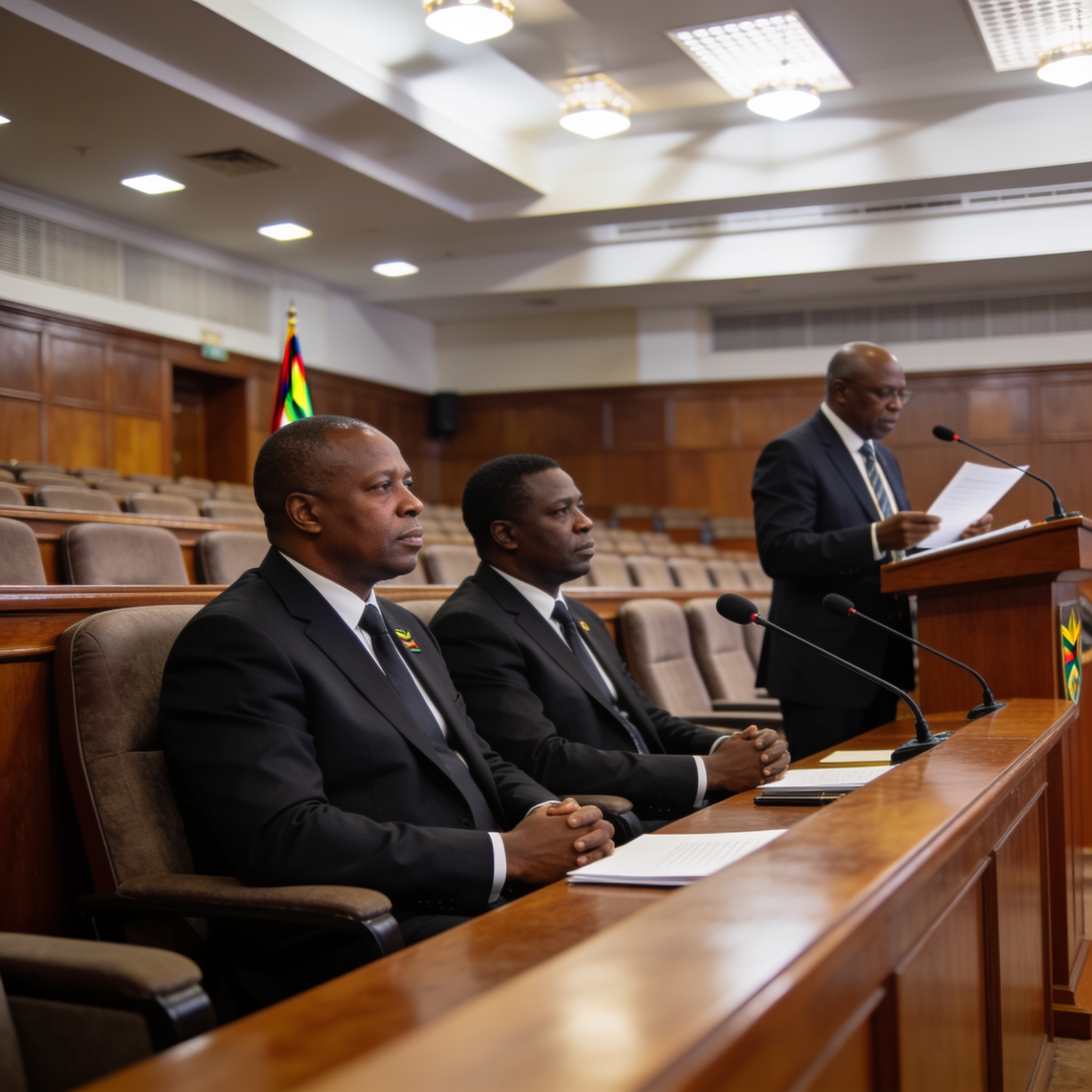
Harare, Zimbabwe — Businessman Kudakwashe Tagwirei and nine other senators were officially sworn into the Senate on Tuesday, following their appointment by President Emmerson Mnangagwa under the recently enacted Constitutional Amendment Act No. 3 (CAA3). The swearing-in ceremony marks the formal expansion of the Upper House from 80 to 90 members, a move that has sparked widespread debate over the qualifications and political motivations behind the appointments.
The new senators include Jabulani Sibanda, Mary Mliswa, Nokuthula Matsikenyere, Kudakwashe Tagwirei, Godwills Masimirembwa, Lucy Chitaga, Major-General (Rtd) Gibson Mashingaidze, Makhosini Hlongwane, Brilliant Dube, and Irene Mutumbwa. Their appointments were made possible by CAA3, which was signed into law in July and empowers the President to appoint ten senators based on their “professional skills and other competencies” after consultation with the National Assembly.
However, critics have questioned whether the nominees truly meet the constitutional requirement of possessing exceptional professional skills. Many argue that the appointments are primarily a reward for loyalty to Zanu PF and support for the controversial constitutional amendment. Tagwirei, who serves as Mnangagwa’s advisor and was recently appointed to Zanu PF’s Central Committee, actively campaigned for CAA3 and has been touted as a potential future successor to the President.
Jabulani Sibanda is the ruling party’s Bulawayo provincial chairperson, while Godwills Masimirembwa chairs the party in Harare and Mary Mliswa leads Zanu PF in Mashonaland West. Makhosini Hlongwane, who largely remained out of the political spotlight after the 2017 transition that removed former President Robert Mugabe, makes a return to active politics through this Senate appointment. Retired Major-General Gibson Mashingaidze chairs the War Veterans League in Masvingo and was a vocal supporter of the constitutional reforms.
Notably, Brilliant Dube was previously a member of the Constitution Defenders Forum, a movement opposed to CAA3. Her apparent change of stance has fueled speculation that she was rewarded with a Senate seat for shifting allegiance. The expanded Senate now includes 90 members, with the ten presidentially appointed senators joining the existing 80-member chamber.
The appointments have intensified scrutiny on the Mnangagwa administration’s use of constitutional amendments to consolidate power, with opposition figures and civil society groups decrying the move as a further erosion of democratic checks and balances. The new senators will serve until the next general election, with their legislative contributions expected to be closely watched given the controversy surrounding their selection.