
Marondera Helicopter Crash: Zimbabwe Mourns Wicknell Chivayo as Investigation Deepens
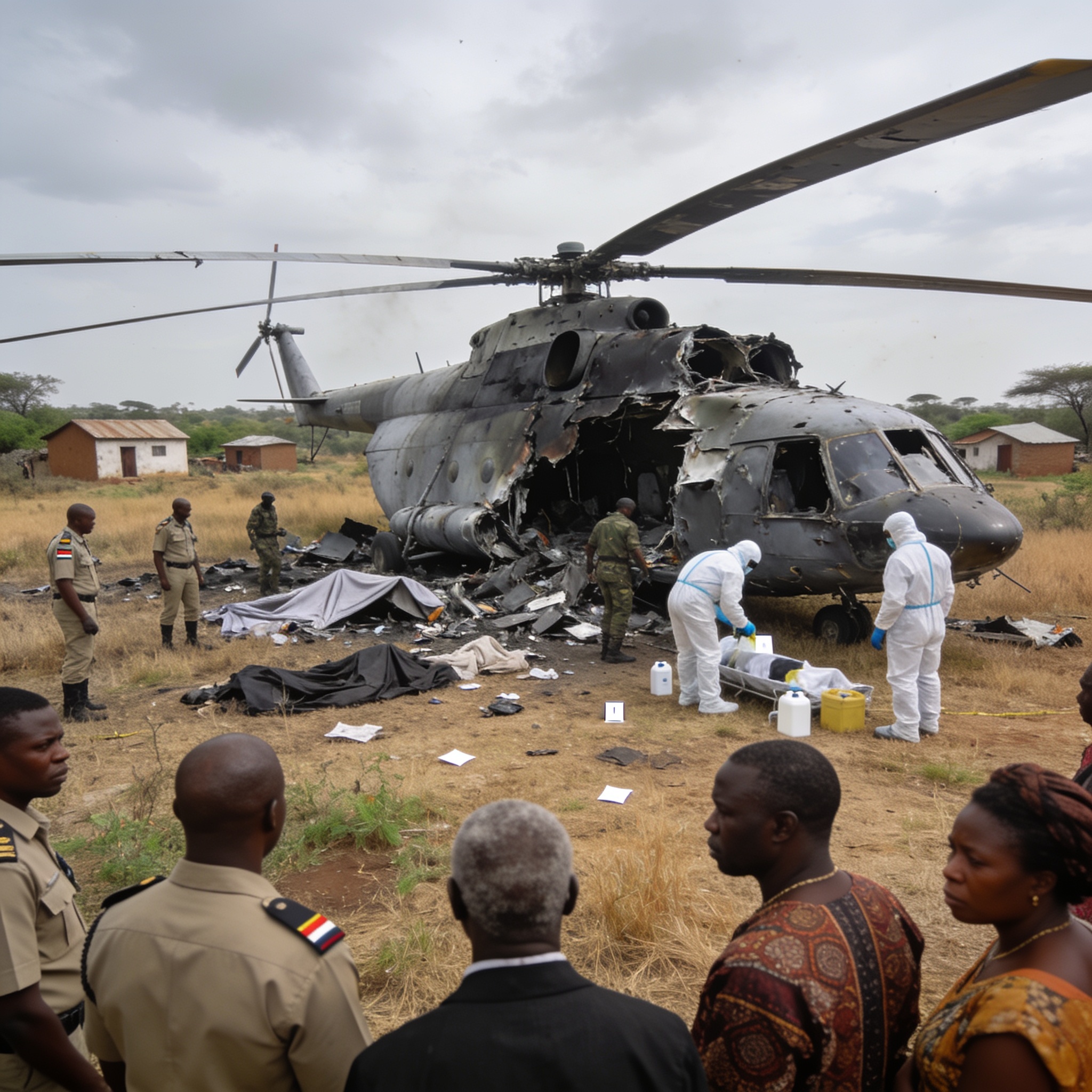
Zimbabwe is processing one of the most closely followed tragedies of recent weeks after a Bell 430 helicopter went down in rural Marondera, killing businessman Wicknell Chivayo, his wife Lucy Muteki and three other people, including two pilots. Officials confirmed the deaths and said the accident investigation would continue under technical and forensic review, while national leaders, cultural figures and the public weighed the loss against broader questions of wealth, access and accountability.
Officials confirm victims as recovery work continues
Authorities identified those killed as Chivayo, Muteki, her aide Senelisiwe Magagula, and pilots Captain Kelvin T. Soda and Captain Courage Mutavirwa. The aircraft was reported to have been travelling from Chikomba toward Harare when the crash occurred in Mashonaland East. Emergency services, police, forensic teams and aviation specialists were deployed to the site, and investigators stressed that any determination of cause would depend on evidence gathered from the wreckage and flight records.
President offers condolences amid public scrutiny
President Emmerson Mnangagwa released a condolence message describing the accident as a devastating shock for the nation and expressing sympathy to the families of all those lost. He highlighted Chivayo’s charitable activities and said the businessman had been involved in private rural development work. The statement also intensified a long-running public debate about how politically connected entrepreneurs have operated within Zimbabwe’s economy and whether institutions can provide adequate transparency and checks on elite influence.
Wedding postponement shows the reach of the tragedy
Musician Jah Prayzah, whose wedding had been expected to draw major sponsors and performers, said he and his wife had postponed the ceremony to mourn Chivayo and the other victims. The decision showed the depth of Chivayo’s ties to entertainment networks and the visibility he had built through public giving, high-profile gifts and collaborations with artists.
Beyond grief: calls for accountability and restraint
While many Zimbabweans offered condolences, the accident also opened a space for expressions of frustration about inequality, procurement and political favouritism. Civic commentators warned that grief should not be distorted into cruelty, while others argued that mourning must not distract from the need for stronger institutions, fair access to opportunity and meaningful consequence when power is abused. The mixed reactions reflect a society trying to balance private sorrow with unresolved public concerns.
Other developments shaping the national conversation
Alongside the crash, Zimbabwe’s policy agenda is centred on drought preparation as officials, farmers and private actors discuss responses to the expected El Nino effect. Proposed measures include conservation agriculture, water harvesting, grain planning, household pooling through village business units and better climate messaging. In regulatory news, tobacco authorities are moving toward stronger environmental, social and governance benchmarks for contractors. Infrastructure and digital priorities also remain live, with railway revitalisation, solar power expansion and Zimbabwe’s bid for a senior telecommunications leadership role at the International Telecommunication Union drawing attention.
Harare Express will continue to follow the Marondera helicopter crash investigation, official condolence messages and related political, economic and social developments as they emerge.