
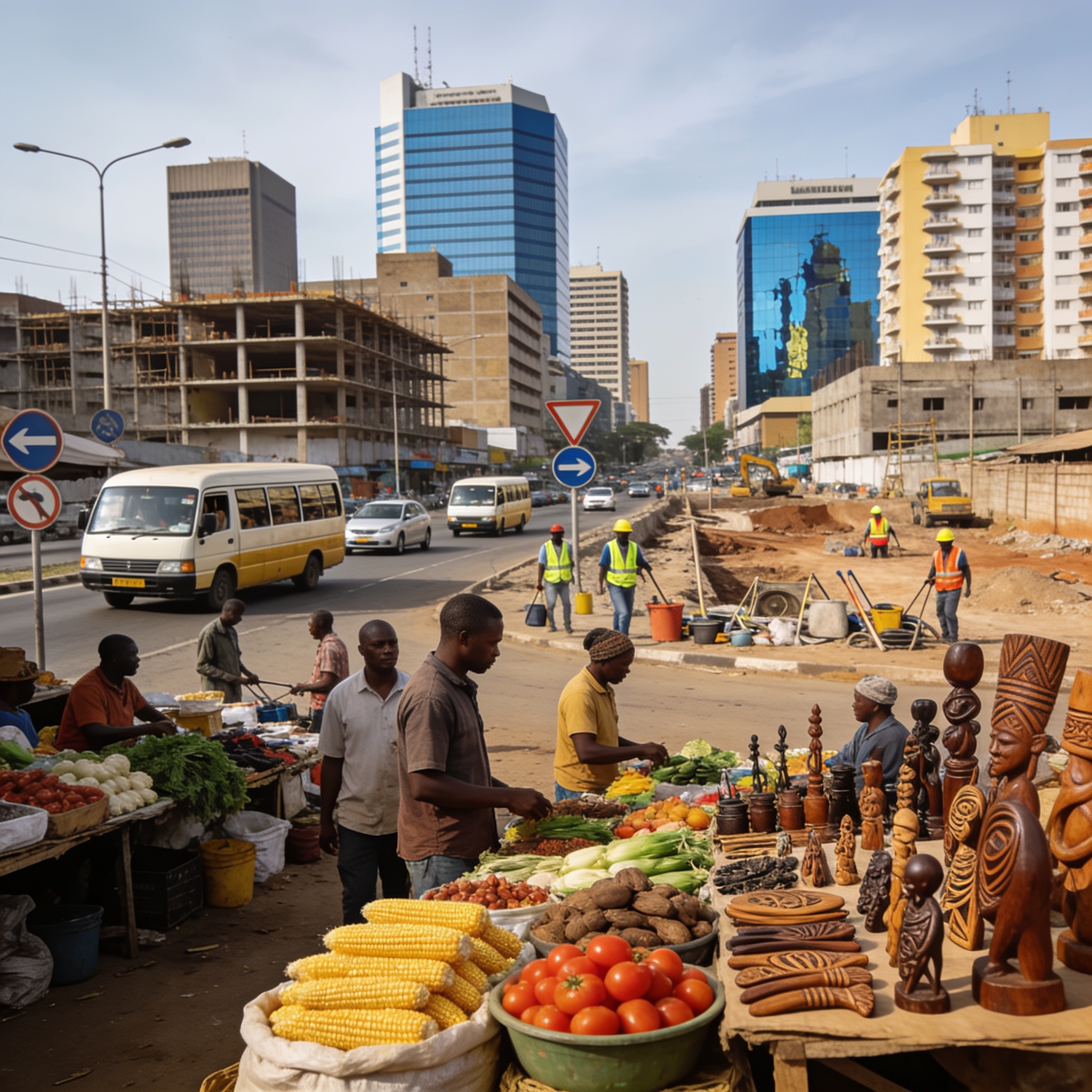
Zimbabwe enters October 2026 with a mix of macroeconomic optimism and practical governance pressure. For Harare residents, the most immediate signals are not only the national trade figures but court decisions, municipal funding bids and the bills Parliament is expected to debate this session.
Trade balance strengthens, but borrowing costs remain high
A widely discussed economic point this week is that the country recorded a larger monthly trade surplus in August than in the same period earlier in the year. The improvement suggests exporters moved more goods abroad while import demand held relatively steady. That is encouraging for a market that has sought stability through the Zimbabwe Gold currency and better reserve cover.
Yet the central bank is still keeping the policy rate near 27.5 percent after a recent reduction. For entrepreneurs, manufacturers and urban traders, the question is simple: is the cost of credit now low enough to support expansion? Harare-based businesses often operate with thin margins, so even a small easing can influence working capital, equipment purchases and inventory planning. At the same time, analysts are watching whether price stability and foreign inflows will continue without a faster fall in lending rates.
Labour appeal route clarified by Supreme Court
Employers and workers received a significant procedural decision this week. In a case involving dismissal linked to an alleged safety breach, the top court held that an employee can challenge a disciplinary outcome under a registered code of conduct directly in the Labour Court. The ruling rejected the idea that a conciliation step through a labour officer must be completed first. For workers in Harare and elsewhere, this lowers a barrier: those dismissed or suspended now have a clearer path to review. It may also push companies to strengthen internal fairness and documentation before terminating staff.
Harare and Chitungwiza under sewer and water pressure
The city experience is becoming harder for many households. A parliamentary committee report has accused Harare and Chitungwiza councils of failing to keep wastewater charges dedicated to infrastructure repair. The councils are asking for emergency national money to address sewage overflow, pumping gaps and aging water facilities. Residents in high-density and middle-income suburbs alike care about the practical consequences: blocked drains, health risk, school closures and unreliable supply. For Harare Express readers, the bigger issue is accountability: if service fees are collected, where is the ring-fenced capital budget?
Parliament opens session with a wide reform agenda
The Fourth Session of the current Parliament has begun, and the President has tabled many proposed laws touching health, agriculture, transport, justice and finance. The long list includes water governance, tobacco rules, medicines control, mental health, road accident compensation, legal aid and child justice. Some bills could affect daily urban life, such as traffic management, clinic standards and legal protection for whistle-blowers. Others are more strategic, aimed at modernising revenue systems and foreign trade promotion.
Civic tensions and social priorities
Beyond economics and legislation, the news cycle also carried warnings from government and civil society. A provincial minister told village heads not to sell communal land, a reminder that rural tenure pressure remains sensitive. In public health, leaders called for more investment in drug rehabilitation after warnings that substance misuse is no longer confined to the young. In the city, councils and courts are testing whether institutions can respond quickly enough to resident concerns.
For Harare, the week’s message is that growth statistics matter only when they reach households. A stronger trade surplus is welcome, but residents also need functioning sewers, fair workplace remedies and credible local governance.