
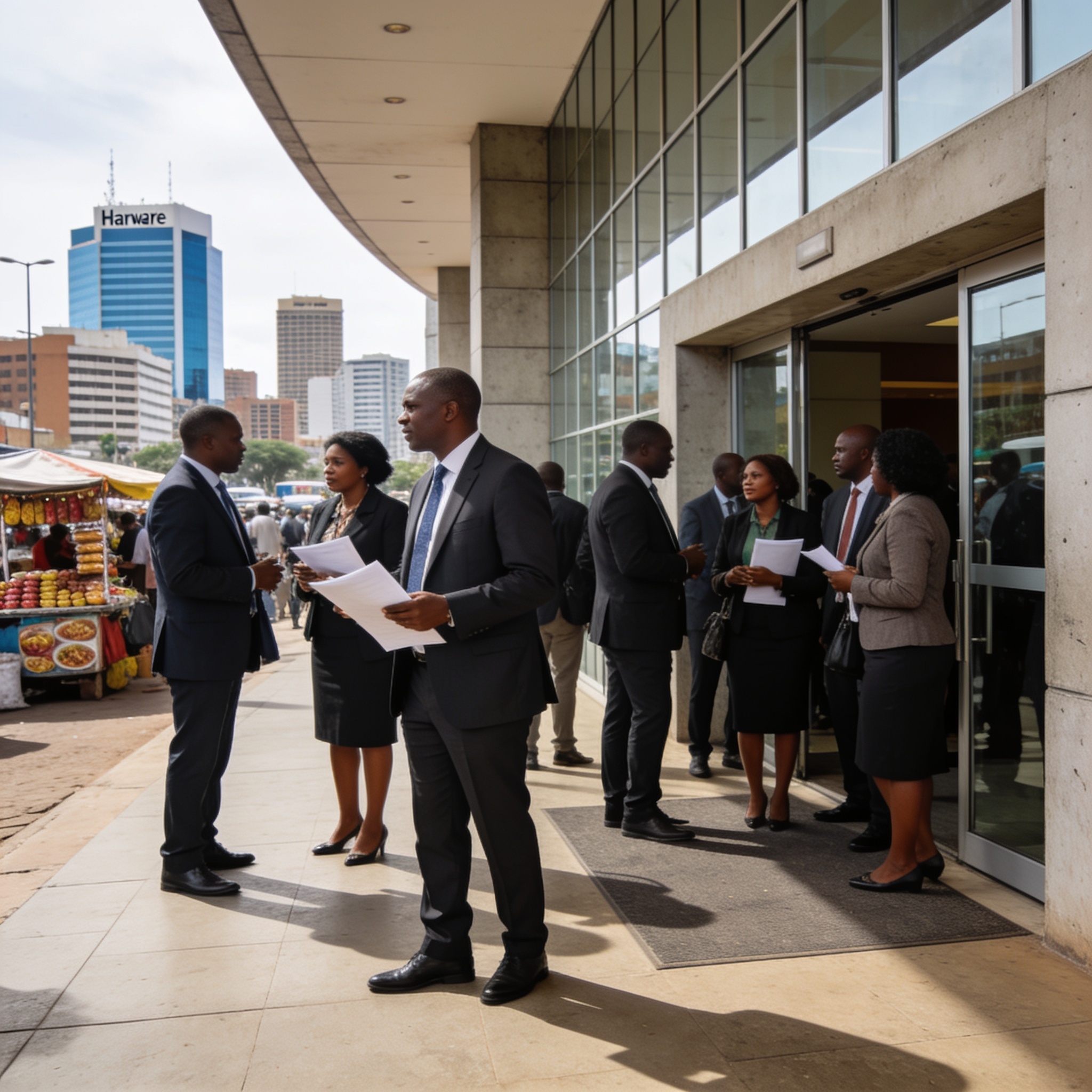
As Zimbabwe opens its doors to COMESA leaders and business delegations on Monday, October 19, 2026, Harare is again acting as a regional meeting point for trade, energy, transport and agricultural cooperation. The summit should give the country visibility, but the harder questions will be measured at home: whether drought planning, power-sector finances, municipal revenue and local business demands can move in step with diplomatic ambition.
Regional platform, local proof
Hosting a major regional gathering is not simply a schedule item for Harare hotels and airport convoys. For Zimbabwe, the event creates room to pitch corridors, cross-border trade, special economic zone opportunities and investor certainty. Delegates will look for signs that policy is stable, that permits can be cleared efficiently, that foreign exchange rules remain predictable and that regional markets can help producers expand beyond domestic demand.
Water, agriculture and drought planning
One of the strongest signals officials want to project is agricultural readiness. With climate shocks still shaping the national mood, the latest irrigation figures suggest continued expansion, with more than 305,000 hectares now developed and about 67,000 hectares added this year as the country prepares for El Nino-linked pressure. The number matters, but the story will depend on whether schemes reach small and medium farmers, whether pumps have power and parts, whether feeder roads move crops to markets and whether water licences and community disputes are handled transparently.
Power utility performance and customer risk
Energy is likely to remain central to both diplomatic talks and daily frustration. Zimbabwe Electricity Supply Authority Holdings has pointed to a US$139.3 million operating profit for the first half of 2026, a result that could strengthen confidence in reform efforts, debt recovery and maintenance planning. Yet for households and firms, profit alone is not the test. They need fewer interruptions, fairer billing, credible investment in generation and transmission, and clearer communication when capacity is tight.
Municipal debt, plastics and civic voice
Local government stories reinforce the same gap between ambition and delivery. In Kwekwe, unpaid utility bills and institutional arrears reported above US$50 million raise difficult questions about water, sanitation, roads and waste services. In Bulawayo, business and civic voices are pressing for tighter coordination around special economic zone projects, while residents are calling for stricter action against single-use plastic waste and higher environmental charges on heavy polluters. Meanwhile, Tsholotsho’s community radio effort, waiting on regulatory approval, shows how citizens still seek channels for local news, dispute resolution and public information.
Jobs, training and economic trust
Provincial leaders are also pushing employers to use trained workers, especially vocational and technical graduates, rather than treating classroom output as disconnected from enterprise. That message aligns with broader economic needs: if investment talks at the summit are to translate into jobs, skills, procurement and supplier links, employers must feel confident enough to hire, expand and pay municipal and utility obligations.
What Harare will watch for
Zimbabwe’s diplomatic calendar can be productive without pretending that domestic challenges are solved. A successful summit outcome would be one that pushes water schemes into working order, locks in utility reforms, sharpens municipal revenue systems, responds to environmental complaints and gives local entrepreneurs a practical reason to invest. For Harare, the value of hosting COMESA will not rest only on photographs from the opening ceremony; it will rest on whether regional cooperation helps people at home.