
Harare Express looks at key developments across Zimbabwe on Monday, November 16, 2026, as communities, farmers, businesses and public services weigh leadership change, safety risks and economic pressure.
New mission leader at Makumbe
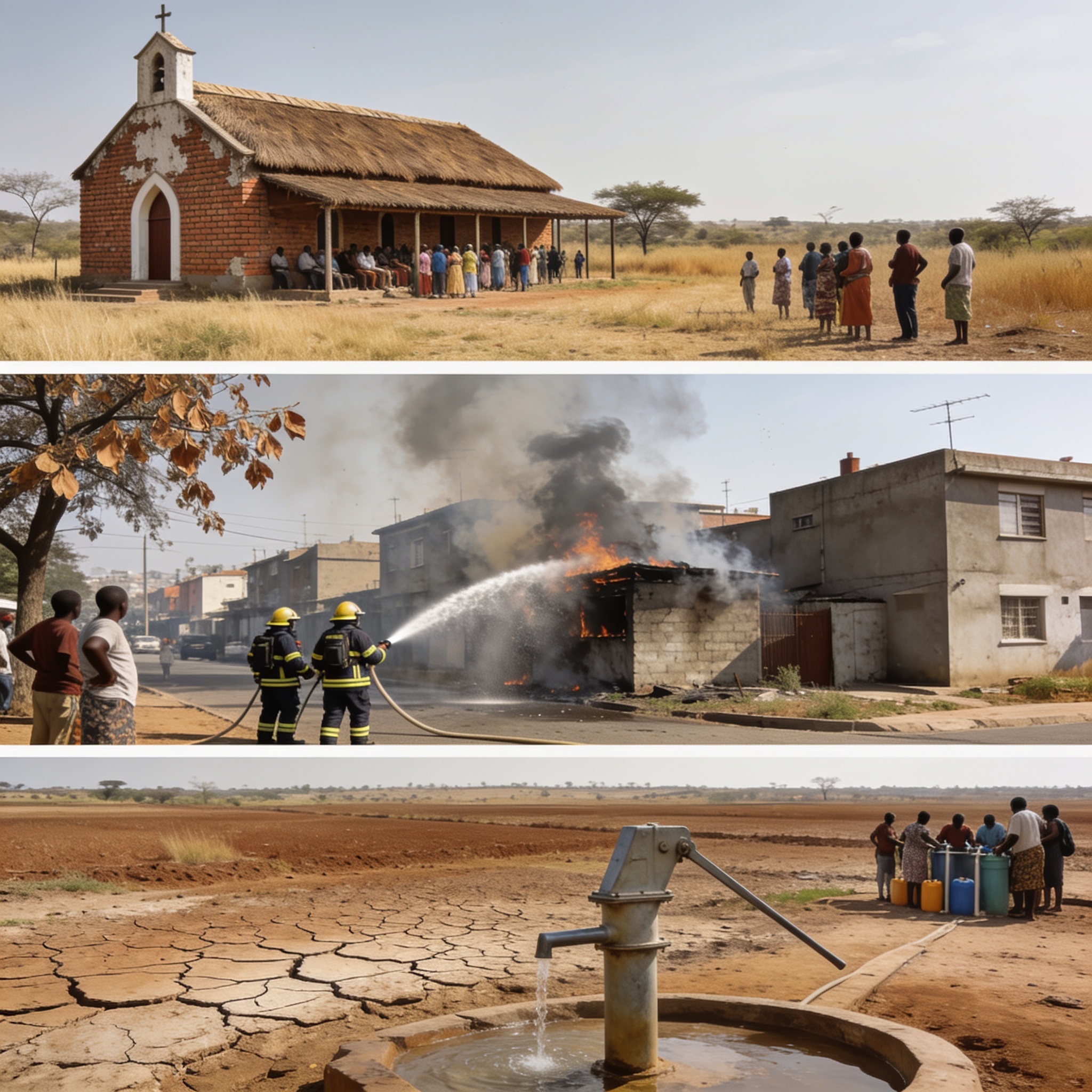
Reverend Dr Isaac Pandasvika has taken charge of spiritual and administrative work at Makumbe Mission after a career in church governance, theological education and university leadership. The station combines a secondary school, a primary school, a church and a clinic, so the appointment links rural service with national educational experience.
Pandasvika, who previously held senior roles in the Reformed Church in Zimbabwe and at Reformed Church University, is being positioned as a figure who can help build on the mission’s academic reputation while modernizing facilities and community outreach.
Recent improvements include a pastor’s residence, solar power, sanitation works, a public address system and fencing. For residents, these upgrades matter because mission stations often function as both schools and community hubs. Makumbe High has also been noted for sustaining top A-level examination results over five cycles and recording a 95.45 percent O-level pass rate in 2025, well above the national average.
Fire at Harare market building
A fire swept through a market building at the intersection of Robson Manyika and Orr streets in central Harare, renewing attention to safety in older trading areas. Casualty information and the origin of the blaze were not immediately available, and the incident highlights the need for dependable emergency response capacity in busy parts of the capital.
Private sector support has also become part of the safety conversation, after Innscor Africa deployed additional community-staffed fire tenders. For Harare merchants, the fire is a reminder that building maintenance, electrical checks, clear access routes and worker training must remain practical priorities.
Drought warning shapes planting advice
Agriculture officials are encouraging farmers to spread planting activities through the 2026/27 season as forecasts point to a possible El Nino-linked drought. The guidance aims to reduce the risk of committing an entire crop to one uncertain rainfall window. Midlands voices are also urging national information services to strengthen weather warnings, so rural households can respond before losses deepen.
Timing matters for food security, market prices and rural incomes. If maize, small grains or horticulture are planted poorly, shortages and stress can ripple from homesteads to urban shelves.
Power supply and business developments
Zimbabwe’s electricity utility is seeking to secure about 235 megawatts from a private generator in Hwange, a step intended to soften supply pressure. Power reliability remains a central concern for households, manufacturers, health facilities and shops, so any increase in capacity is likely to be watched closely.
In the private sector, Dairibord Holdings has introduced a US$500,000 ice cream stick production line at its Rekayi Tangwena facility, while Buy Zimbabwe is preparing festive-season enforcement against counterfeit and smuggled products. The debate matters because counterfeit goods can squeeze formal manufacturers, weaken local jobs and expose shoppers to products of uncertain quality.
Politics and public health
Zanu-PF reports that it is correcting more than 67,000 membership database errors in Bulawayo and Matabeleland North, a records-management task that can shape party administration and future mobilization.
In public health, advocates are warning that HIV prevention gains among young people need protection. Estimates show that yearly new infections dropped considerably during the past decade, and the reduction was especially notable among 15-24-year-olds. Yet stigma, interrupted donor programmes and uneven youth-friendly services can make access to testing, condoms, PrEP, PEP and treatment harder than it should be. The message from clinicians and community educators is clear: prevention tools work better when young people can use them without fear of judgment.
What it means for Harare
Monday’s headlines capture a country balancing local progress and national strain. Makumbe Mission shows how rural institutions can remain centers of learning and community life, while the Harare market fire underscores the practical costs of safety gaps. Drought advice, power talks and consumer-product enforcement all point to a central question for Zimbabweans: how to make everyday systems more reliable for work, study and trade.