
Local leadership becomes the first line of defence against drought in Mbire
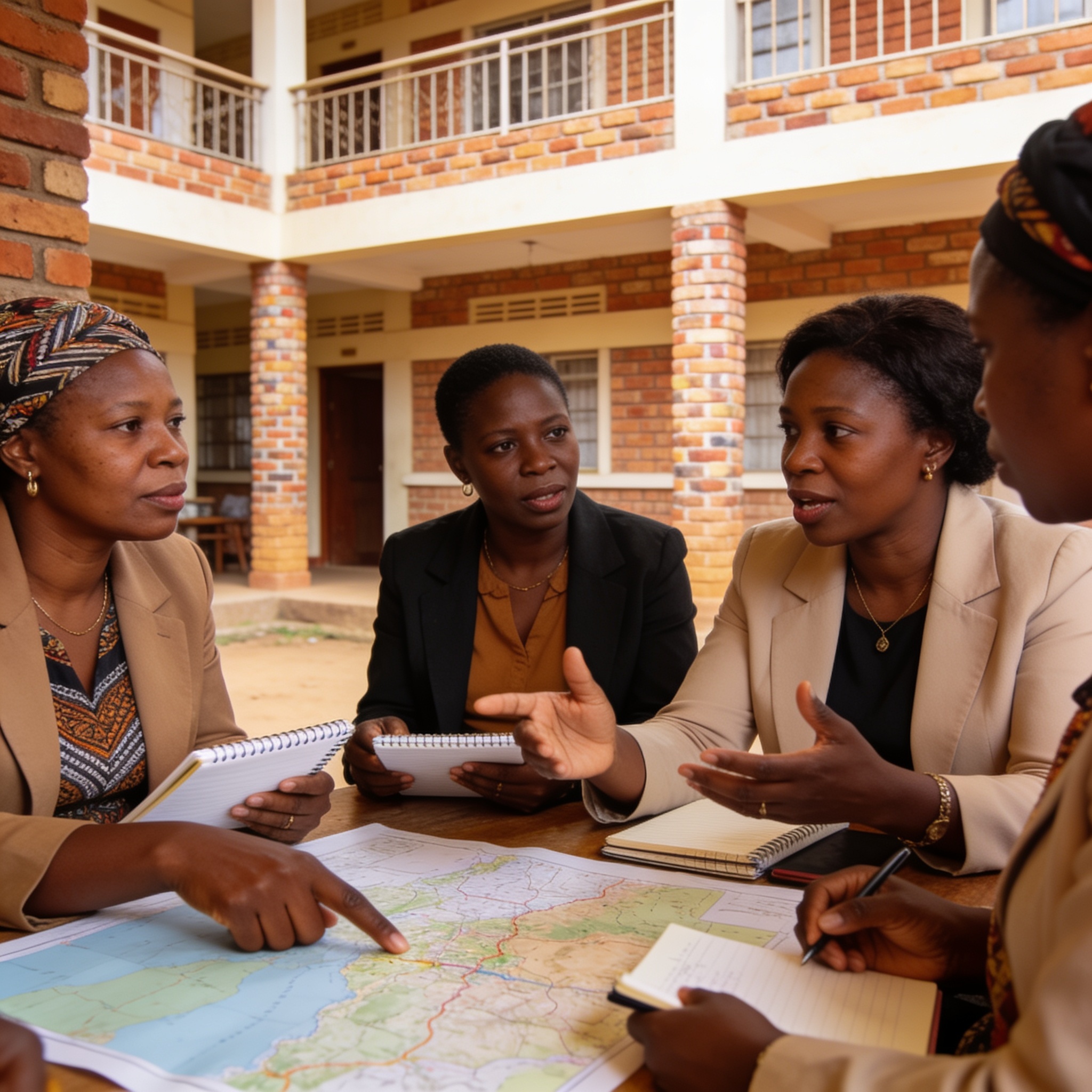
Zimbabwe is entering an agricultural season that officials and humanitarian programmes say may test rural resilience, and in Mbire District the early response is no longer being led only by men in community halls. Women from wards, villages and water committees are helping decide how scarce resources will be managed before another El Nino-linked dry spell arrives.
The shift is happening under a programme that aims to support families before climate stress becomes severe. It is backed by a 500 000 euro intervention led by Welthungerhilfe and focused on around 15 000 households in Mbire, Mt Darwin and Rushinga. The goal is simple: prepare water supplies, protect livestock and strengthen community structures while there is still time to act.
In Mbire, the construction of a sand-abstraction pipeline near Musengezi in Ward 5 has become a practical classroom for this new model of leadership. The roughly 18 kilometre scheme is expected to serve schools, a clinic, dip tanks and surrounding residents. In areas where boreholes can fail during long dry periods, the value of such a system is not technical alone. It is political, social and household-level.
Women involved in the committees say the issue is representation in decisions that shape daily survival. A woman who has to walk farther for water, protect children during shortages or keep a small farm going when feed disappears can often identify risks earlier than a planning process that focuses only on infrastructure. When those women sit at the decision table, priorities such as maintenance, fairness and conflict resolution can reflect lived experience rather than assumptions.
Supporters of the approach argue that the change is not symbolic. It changes who is trusted with public roles and how community resources are governed. In a village structure, the chair of a water point committee influences access, repairs and timing. For households affected by drought, that influence can determine whether water reaches a school, a clinic or a family before tensions rise.
The programme also includes measures to prepare animal feed from crop residues, with a target of about 90 tonnes of treated stover. The aim is to help farmers protect cattle and goats when natural grazing fails. Again, women are taking part in these tasks, including in female-headed households, because drought does not arrive only as a weather report. It reaches homes through reduced harvests, thinner margins, livestock loss and longer journeys for basic supplies.
Programme participants have said that women who had once been reluctant to speak in meetings became more active when they were engaged through trusted local spaces and discussions that linked climate action to everyday household concerns. That method matters because many rural women still face limits on time, land, training and income. When unpaid care and resource shortages increase, those constraints can deepen unless leadership is deliberately widened.
Zimbabwe is preparing for a season that analysts say may bring erratic rains and higher temperatures. For rural communities, the difference between a good project and lasting resilience may be whether local structures keep women in leadership after funding ends. In Mbire, the current moment suggests something else is already changing: the community is learning that the best answers to drought may come from people who have long lived with its burden.
For Harare Express readers tracking Zimbabwe’s national development, the Mbire experiment highlights a wider lesson. Climate policy does not stay in ministerial briefs. It becomes real only when local committees, water sources, schools, clinics and households can withstand the season ahead.