
Harare — Zimbabwe’s public conversation on 13 November 2026 is being shaped by two competing pressures: a high-stakes constitutional test over Amendment No. 3 and the daily struggle over livelihoods, services and urban order.
At the centre of the political debate is the Constitutional Court’s handling of CAA 3. Critics argue that the amendment could lengthen the time in office of current leaders, weaken the direct presidential ballot and shift fundamental questions of sovereignty away from voters. Their case to the court rests on the claim that major constitutional changes should not bypass a public referendum.
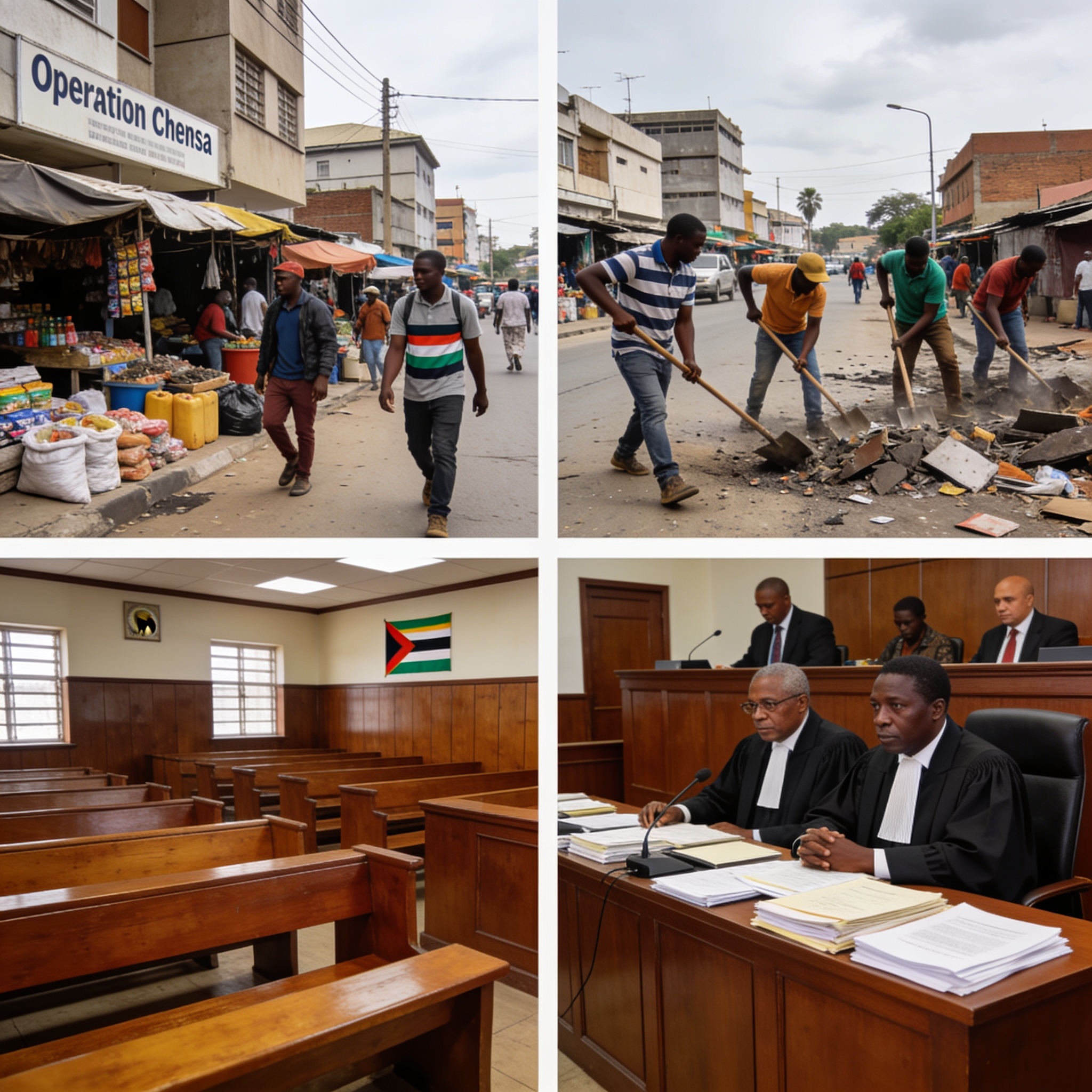
Vendors, markets and the limits of Operation Chenesa
While legal teams argue over text and principle, millions of Zimbabweans are focused on whether the state can deliver usable economic space. Local authorities have been told to build or improve vending markets across roughly 2,500 wards, with Harare’s existing council markets also being upgraded. The plan is meant to move informal traders out of pavements and roadside spots, but the challenge is simple: new markets must come with customers, toilets, lighting and safety before they can replace street trade.
Education, training and unpaid wages
Another contrast appears in Bulawayo, where the city is marking completion of vocational and entrepreneurship training for residents seeking practical income routes. The same day, reports from a school in the capital area show the other face of the economy: teachers at Queen Elizabeth Adventist Primary School have suspended work after several months of unpaid salaries, leaving parents anxious about learning continuity.
Incidents and global links that feel local
Questions about the Chivayo helicopter crash continue to draw public attention, with weather and aviation safety now central to the investigation rather than mere speculation. Meanwhile, a global Microsoft service disruption has had a local echo: offices, universities and traders relying on email, Teams and Copilot-like tools felt the slowdown, a reminder that Zimbabwe’s digital economy remains tied to foreign platforms.
Resource booms and ordinary costs
In parts of Mashonaland Central and the Shurugwi–Zvishavane corridor, residents describe a mining rush that has created cash and shops but also environmental damage, broken roads and strained community relations. The question they ask is not whether gold is valuable, but whether ordinary people are gaining durable benefits or simply paying the local price of extraction.
What Harare Express readers should watch
The CAA 3 ruling will be read as a signal about institutional restraint. But trust is also built in smaller acts: a vendor who can work legally and safely, a teacher who is paid on time, a crash investigation that answers hard questions and a mining town where revenue is felt in clinics, classrooms and roads. For Zimbabwe’s cities and communities, the next constitutional chapter will matter as much for what it protects as for what it permits.