
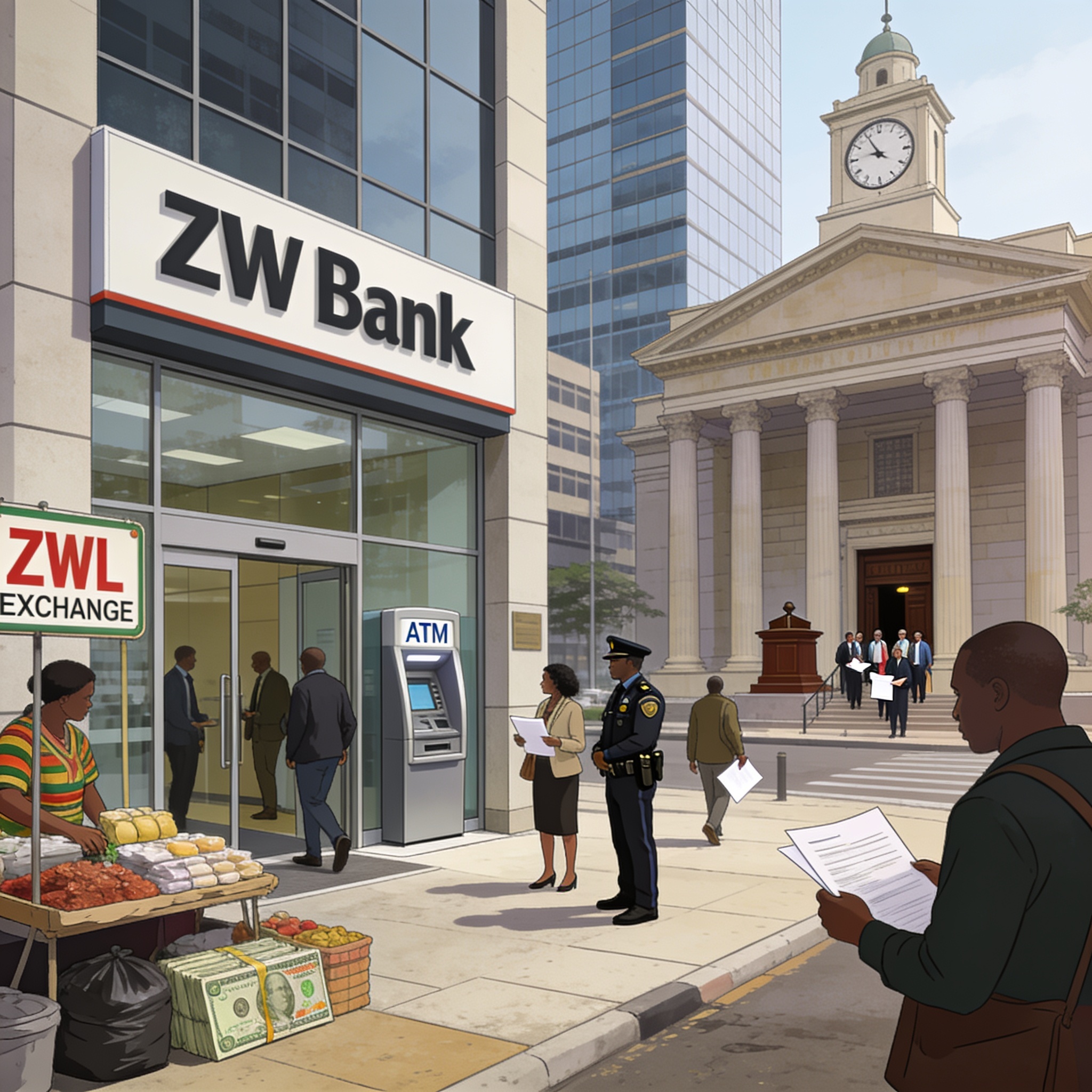
Business confidence, governance questions and a wave of court and public-safety reports shaped Zimbabwe’s news flow on November 12, 2026, as officials, investors, civic groups and families weighed whether signs of recovery are translating into everyday stability for Harare and the wider country.
Economic signals strengthen, but households remain cautious
Commerce and market institutions pointed to a firmer macroeconomic footing, citing easing inflation pressures, stronger external reserves and a possible role for Zimbabwe’s large pension pool in financing long-term projects. Supporters of this view argue that improving indicators suggest policy discipline and capital-market development are beginning to work.
The optimism met pushback in Parliament and in public commentary. Opposition voices say headline growth numbers can look reassuring on paper while prices, wages and basic goods still strain family budgets. Business groups also flagged legal disputes, taxation uncertainty and the need for clearer rules for investors and employers.
Several corporate and policy developments reinforced the mixed mood. A struggling retail group moved closer to delisting from the stock exchange as part of restructuring efforts, while a major agribusiness continued its tax dispute through appeal courts. Worker representatives also pressed the Treasury for a more generous tax-free threshold, arguing that low-income earners need relief before growth becomes meaningful at the table.
Banking accountability debate sharpens
Beyond daily market reports, Zimbabwe’s financial governance debate continued to draw attention. Public commentary called for stricter disclosure of business interests among senior officials and regulators, warning that the country should not wait for another depositor crisis before strengthening trust in banks, pensions and oversight institutions.
These concerns reflect earlier banking failures and a long history of curatorship, litigation and restructuring. The argument advanced is simple: for savers, lenders and investors to feel secure, supervision must be independent, transparent and legally disciplined, especially where public funds or pension assets are involved.
Court cases and public safety dominate local attention
Across the country, police and courts handled a range of cases that prompted community debate. In Beitbridge, a self-styled prophet appeared on charges connected to the alleged rape of a teenage girl, a matter that renewed calls for stricter protection of minors and better support for survivors.
Another case involving Beitbridge East residents concerned a teenager said to have been thrown into a disused well and found alive days later, prompting questions about domestic violence, child safety and emergency response in rural communities.
Police also issued warnings over planned gatherings linked to school leavers, urging organisers and young people to avoid unlawful conduct and reminding the public that events must comply with legal requirements. Separately, revenue-related criminal matters remained before the courts, including a bail application involving officers accused of customs-related irregularities.
International recognition and arts moment
Zimbabwe’s professional and creative sectors also attracted global attention. Regulators in the United Kingdom and Zimbabwe agreed to recognise audit qualifications, a step aimed at improving access to professional services, strengthening financial reporting standards and supporting diaspora accountants.
In the literary world, a major African writing prize completed an internal review and reaffirmed a Zimbabwean winner after online allegations that the winning story was produced by artificial intelligence. The body said its investigation found no evidence of AI use and confirmed the award, offering a rare case where a reputational challenge was settled through a public process.
What Harare readers should watch
The next budget presentation, court decisions on tax disputes, and continued debates over growth versus cost of living are likely to dominate the week. For Harare businesses and families, the central question is whether stability measures will move from statistics to wages, shelves, transport and housing.