
BEAM Debt and ZISO: Can Zimbabwe Fix School Funding?
Harare, November 10, 2026: A widening gap between state education promises and school realities has put the Basic Education Assistance Module back in the national spotlight. For many families, the problem is no longer a delayed payment. It is a recurring funding shortfall that is forcing schools to stretch scarce resources while parents are still pressured to cover levies.
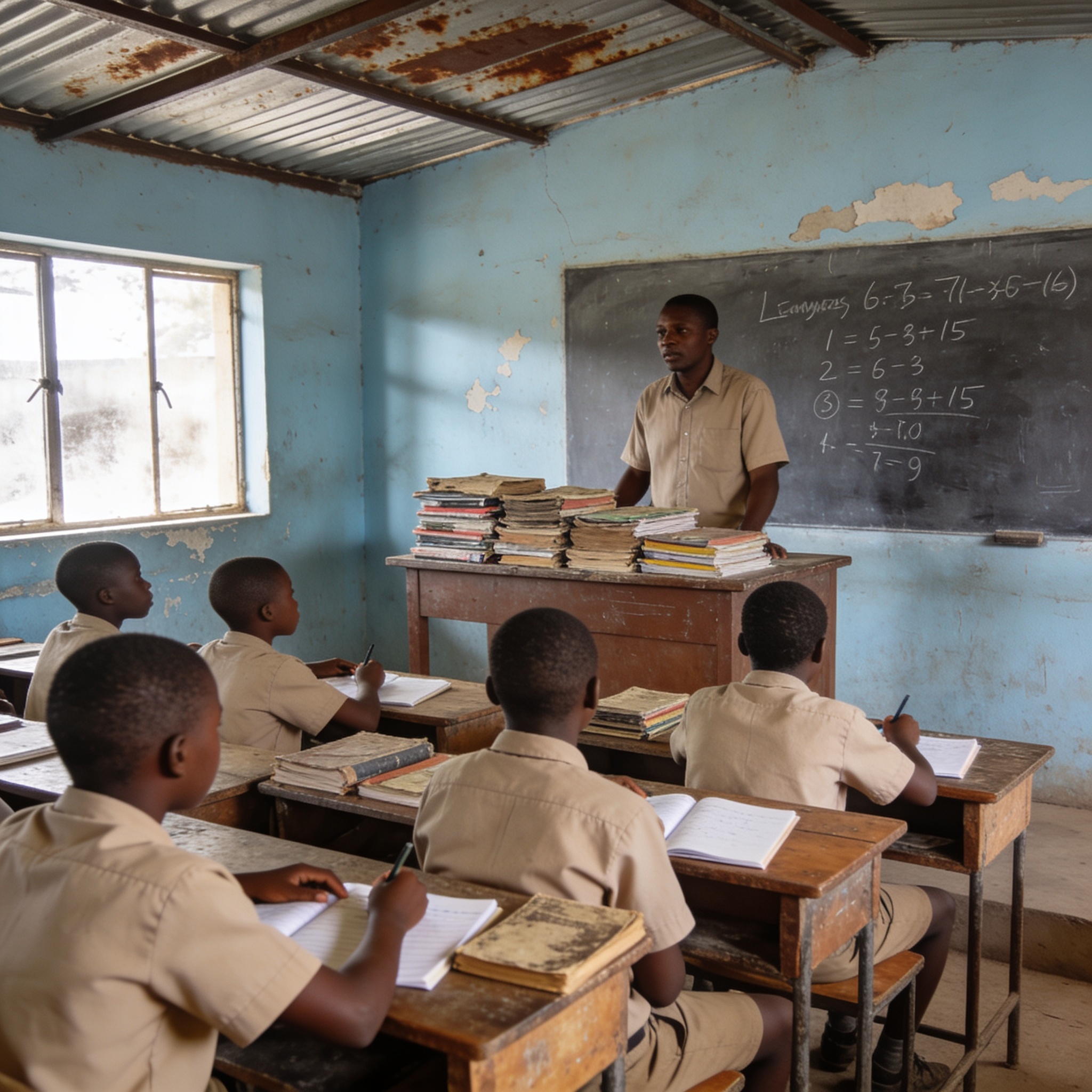
The debate is especially visible in Harare high-density suburbs and rural growth points, where households depend on support mechanisms to keep children in classrooms. When schools do not receive full BEAM disbursements, administrators are left with difficult choices: reduce meals and maintenance, borrow for essentials, or engage external debt collectors to recover unpaid fees from parents who may already be struggling.
Why the funding gap matters
Education financing is not just a budget line. It is a practical test of whether the state can meet its obligations to vulnerable learners. When payments tied to BEAM remain outstanding, schools lose predictability. That affects learning materials, staffing support, sanitation, transport arrangements and basic operational plans. The result is a system under strain, where children absorb the consequences of a funding dispute that should be resolved at public level.
Lawmakers and education representatives have raised concerns that debt recovery should not be pushed mainly onto parents. Community leaders and local councillors have historically helped negotiate arrangements between households and schools. The argument now is that schools should first engage those structures before moving to collection agents, particularly when government obligations remain incomplete.
ZISO and the promise of a cleaner picture
The planned Zimbabwe Social Registry in 2027 is being watched closely by school communities. A more unified register could improve identification of vulnerable households and reduce disputes over eligibility. It may also help government target support more effectively and build stronger audit trails for future payments.
But a database alone is not a solution. Parents and teachers want the registry to come with a clear settlement plan for BEAM arrears that have accumulated over years. If the system is introduced without a funding schedule, it may simply give a sharper picture of unmet need while leaving the core problem untouched.
What should happen next
For schools to function properly, the next academic cycle needs more than policy announcements. It needs cash flow certainty.
- The government should publish a credible plan to clear outstanding BEAM obligations.
- Schools should avoid external debt collection unless families have been properly engaged.
- The social registry should be used to improve transparency, not to justify continued arrears.
- Education funding must reflect the urgent needs of learners in low-income communities.
Harare families are looking for simple answers: how much money will schools receive, when will old debts be addressed, and how will children avoid being excluded because the state and parents are both squeezed at the same time.
The 2027 registry could become a turning point if it leads to better targeting and faster payment. If it does not, the education gap will deepen, and the burden will continue to fall on the least advantaged.