
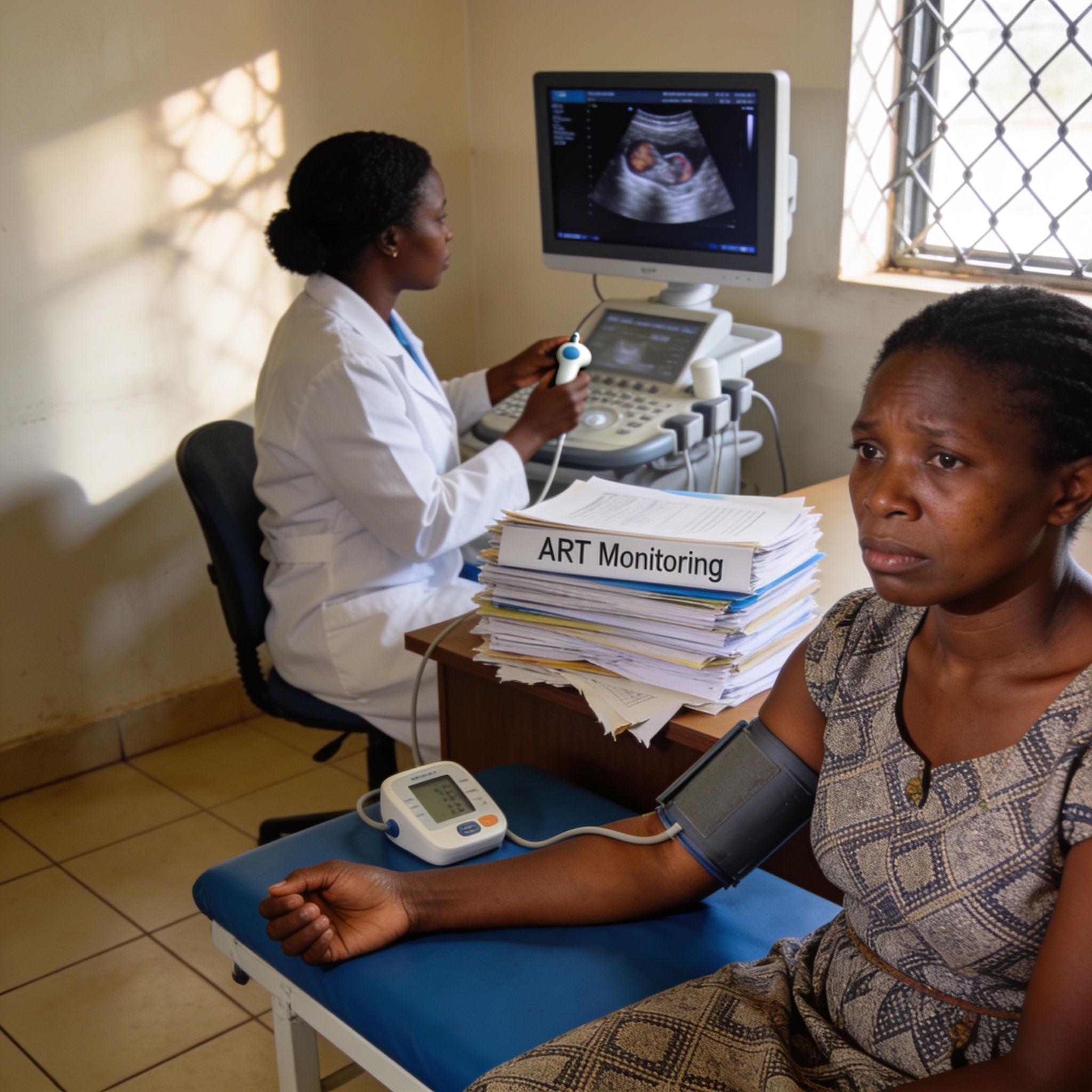
HARARE — Zimbabwe has spent decades building one of the region’s most extensive antiretroviral treatment networks, yet survivors say the system still struggles with a quieter question: whether patients are monitored closely enough to catch the damage that can accumulate over years of therapy.
Harare Express has found that the story of Enita Kwaramba, a 39-year-old community health advocate from Dzivarasekwa, shows how treatment success can mask a serious complication. Kwaramba has lived with HIV since childhood and has long been considered a stable patient: her viral load was suppressed and her immune count had improved. But by 2026, she was facing advanced kidney failure.
Her case is not about failure to take medication. It is about a gap between distributing drugs and checking the organs that may be affected by long-term use. In public clinics, patients can collect monthly prescriptions, yet kidney, liver and cardiac tests are not consistently built into routine follow-up. When symptoms are absent, damage can progress unnoticed until it reaches a dangerous stage.
For Kwaramba, the warning signs came after she became too unwell to work. A municipal clinic could not perform the full organ panel she needed. Private laboratories quoted costs near US$800, an impossible amount for a volunteer advocate whose income had stopped. She was later referred to Newlands Clinic, where the tests were done free of charge. The result was severe: her estimated kidney function, measured as eGFR, had fallen to 15, while normal function is above 90. Her treatment regimen was changed and she was referred to the Parirenyatwa Renal Clinic.
Infrastructure progress is not enough
The concern arrives as Zimbabwe marks health infrastructure gains. Last week, officials commissioned an upgraded Mberengwa District Hospital after a US$4.1m investment by Mimosa Mining Company. The facility, serving more than 200,000 people across rural health centres and mission hospitals, increased its bed space from 32 to 104. Vice President Kembo Mohadi said district hospitals are essential for early detection of serious illness, safe childbirth and relief for major referral centres.
Those improvements matter. More beds, better buildings and expanded community services can save lives. But long-term HIV care also needs diagnostic depth. A patient who is virally suppressed can still develop kidney toxicity. A clinic that can dispense drugs but cannot measure organ function may miss the next problem before it becomes a crisis.
What the policy gap reveals
Zimbabwe’s national HIV response has been one of its strongest public health achievements. Millions have benefited from free or subsidised treatment, prevention of mother-to-child transmission and community support. Yet the next phase of the epidemic demands a different kind of equity: access to monitoring, not only medication.
Health experts argue that baseline and annual checks for kidney function, liver enzymes and other markers should be included in ART refill schedules, especially for patients who have been on treatment for decades. Where that is not possible, referral systems must be fast, affordable and predictable. Private laboratories can provide the tests, but their fees remain a barrier for many rural and low-income patients.
Kwaramba’s support network has stepped in. Fellow survivors, community organisations and donors have helped with school fees and referrals. Her story shows both the strength of Zimbabwe’s survivor networks and the fragility of a system that still leaves too many patients dependent on charity for essential diagnostics.
The road ahead
For Harare Express readers, the message is clear: Zimbabwe should celebrate the lives saved by antiretroviral therapy, but it should also confront the risks created by incomplete follow-up. The country has proven it can deliver treatment at scale. The next challenge is to prove it can keep survivors healthy for the rest of their lives.