
Harare Express looks at the day’s most important stories shaping Zimbabwe and its place in the world, from health workforce policy to international cybercrime, local livelihoods and diaspora family rites.
Private hospitals may play larger role in nursing education
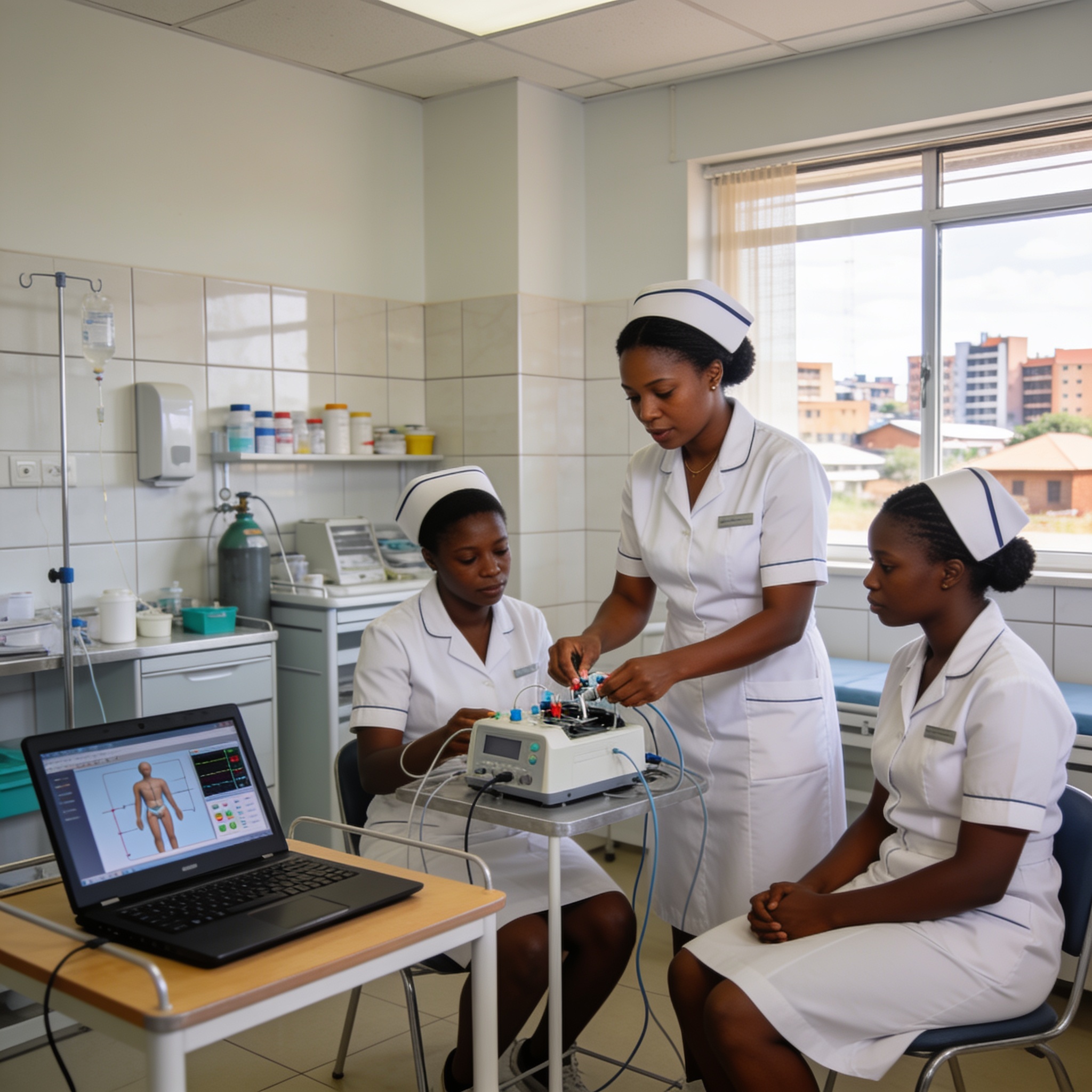
The government is considering a broader role for private healthcare providers in training nurses, a policy shift that could increase the number of qualified professionals available to hospitals and clinics. Health officials have linked the proposal to the urgent need to strengthen the country’s medical workforce, especially in critical care and specialist services.
The discussion follows a graduation ceremony at The Avenues Clinic, where newly trained intensive care and operating theatre nurses received recognition. Clinic managers said they have reapplied for approval to offer general nursing diploma programmes, arguing that local training capacity should grow beyond specialist postgraduate courses.
Health and Child Care Minister Dr Douglas Mombeshora said the ministry wants to move gradually, guided by a pilot programme at the Dr Auxillia Mnangagwa School of Nursing in Kadoma. The approach suggests Harare is weighing quality control against the need for more nurses in a system still under pressure from patient demand and staff shortages.
For readers, the issue is practical: more training slots could improve staffing in public facilities, but only if standards, funding and placement opportunities keep pace. Private investment in postgraduate nursing, including oncology and palliative care, shows the direction, yet the state must ensure graduates are deployed where they are needed.
Crypto theft raises new questions for Zimbabwe’s digital economy
Outside Zimbabwe, a major cryptocurrency exchange has been investigating a theft worth billions of dollars, with analytics firms pointing to a North Korea-linked group. The case matters to Zimbabwean users of digital assets because it underscores how quickly online financial systems can be exposed to sophisticated attacks.
Reports say investigators have high confidence that a state-backed cybercrime network was involved, using methods that allowed funds to move through wallets connected to the exchange’s systems. The exchange says most stolen assets have been recovered or secured, but uncertainty remains over the rest.
For local consumers, traders and small businesses experimenting with crypto, the lesson is not to abandon digital finance, but to treat it with stronger security habits. Wallet protection, two-factor authentication, limited hot-wallet exposure and careful platform selection are now basic expectations rather than optional extras.
Bulawayo’s herbal medicine trade reflects everyday health choices
A feature on Bulawayo’s traditional medicine market highlights the continuing importance of herbal remedies in many Zimbabwean households. Around Makokoba’s eMkambo area, plant-based preparations remain part of daily commerce, serving families who combine conventional care with local remedies.
The story also points to a wider question: how can public health systems engage with traditional medicine more effectively? For many patients, access, cost and cultural familiarity make herbal products a first line of support. That does not mean every claim is safe or regulated, but it does mean health authorities should understand where people seek care and how they make decisions.
Harare Express readers may recognise the pattern: Zimbabwe’s health landscape is plural. Public clinics, private specialists, pharmacies and traditional practitioners all shape outcomes. Better coordination, clearer labelling and safer sourcing could protect consumers without dismissing an important part of local livelihood.
Diaspora funeral shows the weight of family and faith
The burial of Hildah Kanoyangwa in Zimbabwe closed a chapter for a family and community shaped by migration, church service and care for others. Kanoyangwa was remembered by relatives and friends as a strong presence in the Salvation Army in the United Kingdom and in African fellowship circles.
Her funeral at Warren Hills Cemetery drew tributes describing her as a woman of prayer, discipline and generosity. Family members said she wanted to be buried at home, a wish that brought her back to Zimbabwe and highlighted how diaspora life often stretches across borders.
The ceremony also reflects a broader reality for many Zimbabwean families abroad: death, burial and support networks are managed internationally, often through church communities, remittances and funeral policies. For Harare Express readers, it is a reminder that migration is not only economic. It is emotional, spiritual and practical, binding homes across continents.
What Harare Express readers should take from today’s stories
These items may seem separate, but they connect through a common theme: Zimbabwe is negotiating modern pressures with limited resources. Nursing training policy, cyber risk in digital finance, traditional medicine markets and diaspora family obligations all show a country adapting to global systems while relying on local institutions.
The practical takeaway is that progress depends on better coordination. If private hospitals can train nurses without lowering standards, if crypto users adopt stronger safeguards, if herbal medicine markets are guided toward safety, and if diaspora families have accessible funeral and support arrangements, the country can turn pressure into resilience.