
Zimbabwe national brief: growth land bank, climate risk and public safety
Harare Express, 21 October 2026 Zimbabwe’s development agenda, climate outlook and enforcement priorities came into focus on Wednesday as officials, councils and campaign organisations updated the public on issues shaping households and markets.
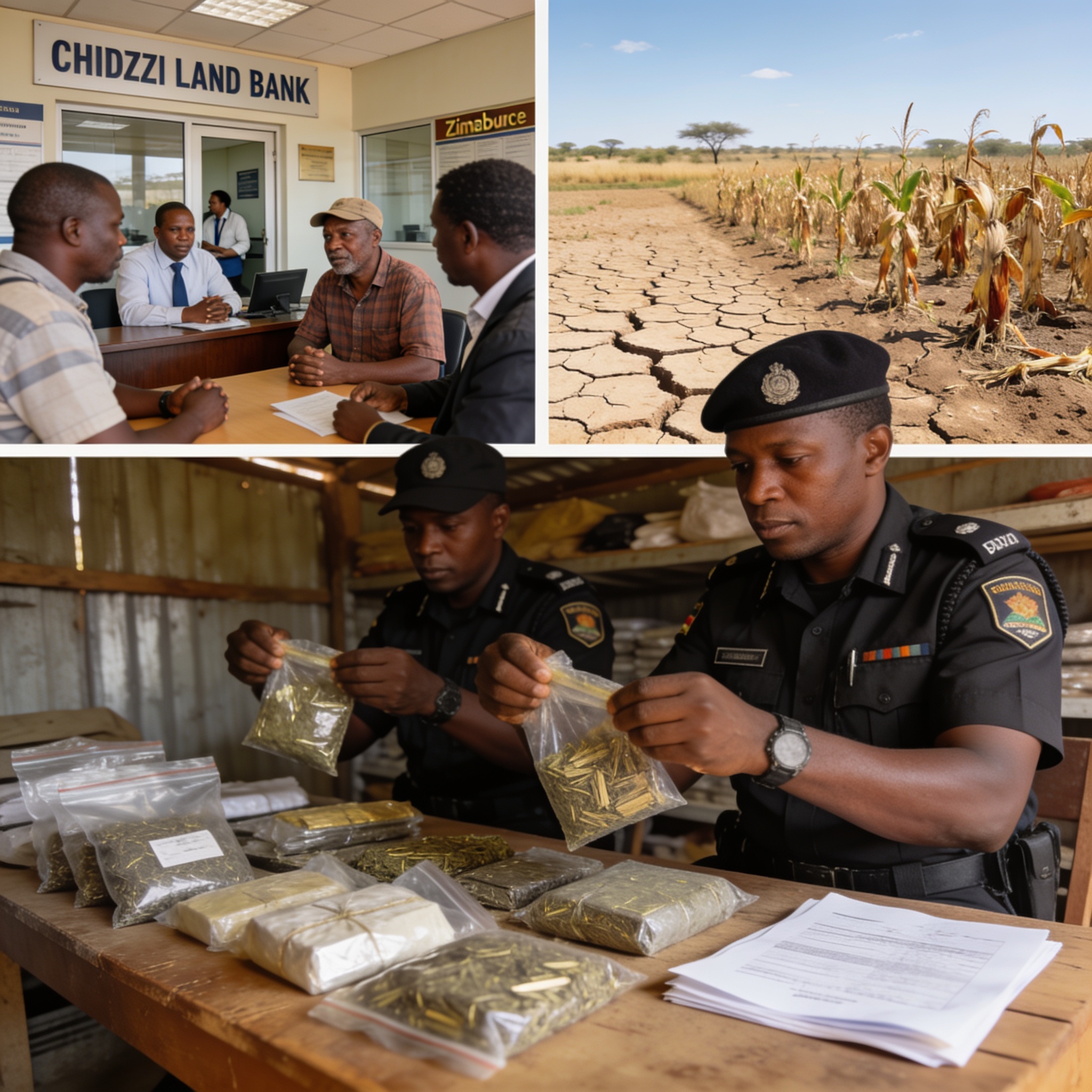
Chiredzi expansion unlocks land Chiredzi Town Council says its planned 6,000 hectare expansion, now pending Government clearance, is central to easing the city’s housing and commercial land squeeze. Local officials say the current urban area is almost fully developed, while demand remains visible in a waiting list of about 12,000 applicants. The proposal would extend the town northwards into Buffalo Range and is expected to support new residential and business projects once administrative corrections are completed and final approval arrives.
El Niño raises season risk Seasonal analysis warns that a strong El Niño may bring late, erratic or poorly distributed rainfall to Zimbabwe’s 2026/27 main cropping window. That raises concerns for maize, livestock, urban reservoirs and food prices. Experts note El Niño increases probability rather than certainty, so farmers, municipalities and disaster agencies should follow Met Department guidance, protect soil moisture, plan drought-tolerant crops and reduce water waste.
Drug campaign shows youth exposure Government reported that between 1 June and 19 September, 3,839 people were arrested on substance-abuse allegations, with more than 2,700 under 35. Authorities say operations destroyed 73 bases, seized items valued above ZiG26.7 million and supported treatment for thousands. The plan for a presidential rehabilitation centre, alongside expanded counselling and livelihood support, signals an effort to pair enforcement with recovery.
Returnees, mining value and rule of law State data show more than 197,000 people have come back from South Africa through assisted or self-funded routes, though flows are easing. In policy debate, Zimbabwe’s push to restrict lithium concentrate exports is seen as a test of whether raw-mineral wealth can anchor local processing. Meanwhile, Zimbabwe’s 122nd place out of 143 in the 2026 World Justice Project Rule of Law Index underlines the governance challenge behind investment, service delivery and household trust.
For Harare Express readers, these threads share one practical lesson: Zimbabwe’s next phase depends less on slogans and more on executable plans — land ready for housing, water resilient to climate swings, clinics and communities that treat addiction, and institutions that make value chains and courts work.