
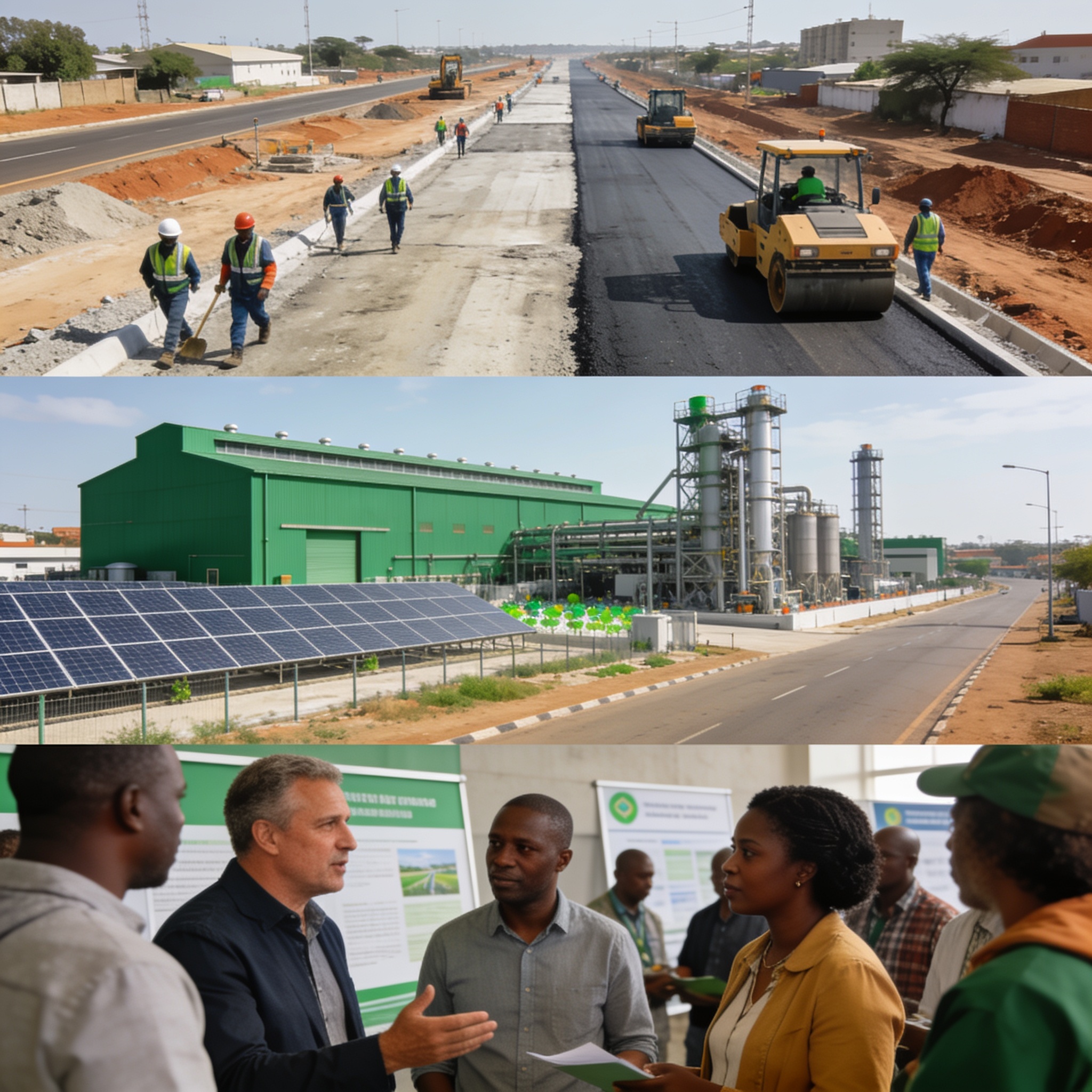
Harare stepped into a busy diplomatic week on Monday as Zimbabwe hosted the 25th COMESA summit, with green industrialisation, circular economy projects and regional trade cooperation at the centre of the agenda. For a city that has long sought to position itself as a gateway to Southern Africa, the summit is being tested against one question: can pledges made in conference halls translate into factories, roads, farm income and public trust at home?
Green industry promises must become measurable work
Business leaders at the summit said that international buyers, investors and regulators increasingly expect cleaner production systems from exporters. COMESA officials have urged member states to move from environmental rhetoric to practical circular-economy projects that keep value in the region and create employment. Zimbabwe’s industry ministry has also stressed that commitments must be converted into national implementation, from waste management and renewable power to local manufacturing.
That argument matters beyond trade chambers. Zimbabwe’s economic credibility depends on whether a green industry agenda can deliver reliable electricity, affordable inputs and competitive transport for factories and mines. The country’s mining ambitions, including lithium and other critical minerals, are tied to the same challenge that confronts the continent: African governments want refining and processing near the source, but investors need sustained and affordable energy to make those plants viable.
Roads and the cost of moving goods
The government has said it is strengthening road maintenance by renewing equipment for the national roads department, with a focus on safety and longer-lasting networks. Better road upkeep is a practical support for trade, tourism and agriculture. If Harare wants to be a regional logistics hub, the daily condition of roads will matter as much as any summit declaration.
Farmer timing, weather risk and tobacco revenue
At home, the agricultural calendar is also shaping the week’s conversation. Tobacco farmers have been reported to have transplanted more than 13,000 hectares for the 2026/27 season, while market players warn that El Nino-linked weather variability could affect yield and quality. Growers are being advised to secure reliable markets and understand quality expectations before spending scarce inputs, a reminder that planting success is only half the story.
Voter roll checks and the politics of term limits
Zimbabwe’s political scene is also becoming more visible. The transfer of voter registration and roll management from the Zimbabwe Electoral Commission to the Registrar-General, following the 2026 constitutional amendment, has prompted calls from civic groups for a countrywide review of registered voters. The request is not only technical: after decades of debate around election credibility, voters want clarity about how names are added, transferred and verified.
Inside the ruling party, questions about tenure and succession continue to surface. History shows that disputes over whether a leader should leave when a term ends can fracture alliances and turn internal debate into a national argument. For an opposition and civic community that is trying to rebuild trust, the timing of administrative reform matters as much as the words used on the campaign trail.
Police, borders and public confidence
Everyday security has also entered the news, from court appearances for alleged robbery involving members of the police force to cross-border efforts against vehicle theft. These cases do not define an entire institution, but they test public confidence, especially when citizens are also expected to cooperate with regional crime prevention programmes.
What this means for Harare
The challenge for Zimbabwe is to avoid a split-screen national conversation in which one side talks about continental green trade and the other struggles with roads, weather, power and electoral trust. The summit gives the country a platform; the value of that platform will be judged in the months ahead by whether farmers receive fair prices, factories obtain steady power, roads are maintained, voter lists are credible and institutions are held accountable.