
Key points
- IMF data places Zimbabwe 14th among African economies in 2026, with projected GDP of US$65.92 billion.
- Growth is supported by gold, mining and a better farm season, but persistent dollarisation limits monetary control.
- The Machipanda concession suspension adds cross-border uncertainty for trade and logistics.
- Mberengwa hospital upgrades and the Beitbridge heat alert show why economic statistics must translate into local service delivery.
A stronger economic snapshot, but dollarisation still sets the terms
Harare Express readers tracking investment and price signals this October have a mixed picture to absorb. Zimbabwe’s projected 2026 gross domestic product of US$65.92 billion places the country 14th on the latest African ranking, according to IMF data. That is a marked move from the lower position assigned earlier in the year and ahead of several other economies, including Cameroon and Tunisia.
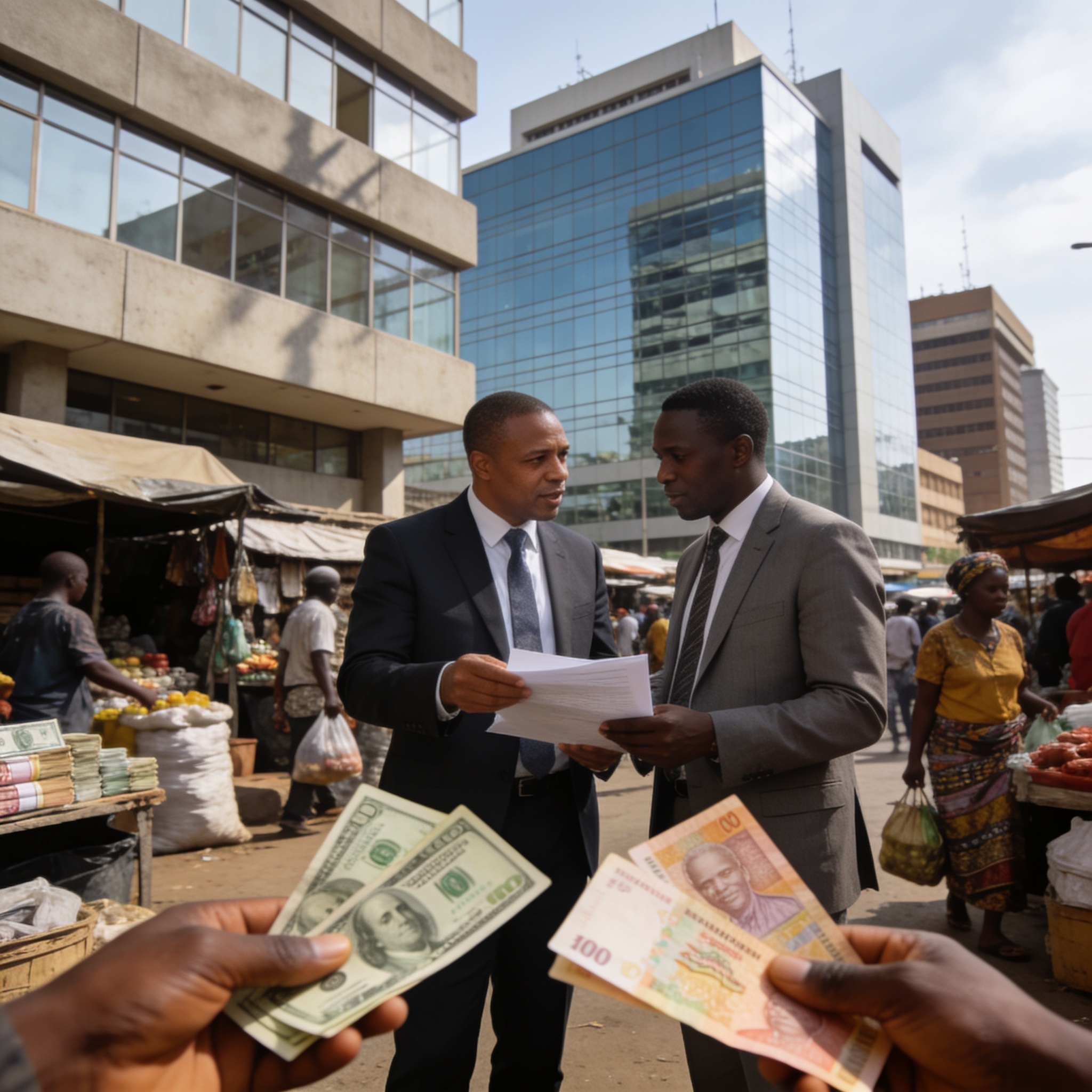
The rise reflects stronger gold receipts, a better farm season and mining momentum. But the ranking should be read with care because nominal GDP in dollar terms can move with currency policy, exchange-rate treatment and national accounts changes. In Zimbabwe’s case, the continued dominance of the US dollar means household savings, business transactions and price stability cannot be understood through growth alone.
The government introduced ZiG in 2024 to restore monetary credibility, yet dollar usage remains high. Annual inflation under ZiG rose to 3.7 percent in September from 2.9 percent in August. For Harare shoppers, miners, retailers and manufacturers, that small increase matters because it tests whether stability is durable enough to support borrowing, long-term contracts and local investment.
Regional comparison sharpens the currency debate
The regional comparison also matters. Tanzania’s projected US$96.18 billion economy is expected to grow 5.9 percent in 2026. It is pushing use of the shilling at home. Zimbabwe’s 5 percent forecast is solid, but the path is different: protection through dollarisation versus strengthening a national currency. For Zimbabwean exporters, this can mean lower exchange-rate risk for dollar revenue, but less flexibility for monetary policy.
Machipanda dispute introduces cross-border uncertainty
A court suspension around the 25-year concession at Machipanda shows that infrastructure and trade facilitation can remain contested even when macro forecasts improve. SAFAGA’s challenge has delayed signing and brought attention to bid evaluation, transparency and the capacity of the preferred bidder. The project is linked to roughly 2.378 billion meticais of investment and touches one of the key corridors between Zimbabwe and Mozambique.
For transporters, manufacturers and agricultural exporters, the issue is practical: border performance affects fuel, labour, finance costs and delivery reliability. A legal pause does not stop trade, but it can delay upgrades that reduce queues and improve cargo throughput. If the review process is credible, the eventual award could still support regional integration; if it is not, investor confidence may suffer.
Resource wealth policy is moving from extraction to ownership of value
Debates around African minerals are becoming more focused on sovereignty, beneficiation and local industrial participation. Zimbabwe has an opportunity to turn higher commodity values into jobs, technical transfer and tax revenue, especially if gold, platinum and gas projects are managed through contracts that require local processing or skills development. The Musuma-1 move by Invictus, with drilling expected in November, shows that energy exploration can broaden an economy still centred on mining and farming.
On a softer note, Zimbabwe’s under-16 football side won silver at the FC Bayern Youth Cup World Final in Germany. The result does not solve structural economic problems, but it adds a positive story about youth potential at a time when Harare needs narratives of competence and global visibility.
Local development and accountability issues remain close to the public
Economic rankings matter less in communities where water, roads and clinics decide daily life. The US$4 million upgrade at Mberengwa District Hospital, funded in part by Mimosa Platinum Mine, shows how private investment can create immediate public benefit. Patients formerly referred to Bulawayo may now receive treatment closer to home. Still, officials are seeking more medical staff and decent housing, reminding policymakers that equipment without workforce planning can still leave gaps.
Accountability also remains sharp. A Labour Court ruling over a Banket hospital accountant, Webester Zimbume, confirms that exposing theft does not erase supervisory duty. He was demoted for failing to detect US$19,000 missing due to subordinates. The message for public institutions is not simply to punish honest reporting, but to strengthen internal controls, audits and staff protection so that good conduct is paired with competent oversight.
Heat stress and logistics add another operational test
Extreme temperatures around Beitbridge, near 43 degrees Celsius, are a warning beyond weather. Hot corridors affect trucking, livestock, power demand and construction. Businesses that plan around logistics should treat heat alerts as operational risk, not seasonal inconvenience.
Harare Express take
Zimbabwe’s climb in African economic rankings is encouraging. The next task is converting macro momentum into visible gains: stable borders, transparent contracts, accountable institutions, local hospital and road investment, and monetary policy that protects purchasing power while keeping the private sector investable.