
HARARE, Thursday, October 8, 2026 — Zimbabwe’s economic story and its social debates moved together this morning as lithium export earnings surged, informal traders faced a fresh round of city governance, and diaspora legal cases highlighted the costs of overseas job promises.
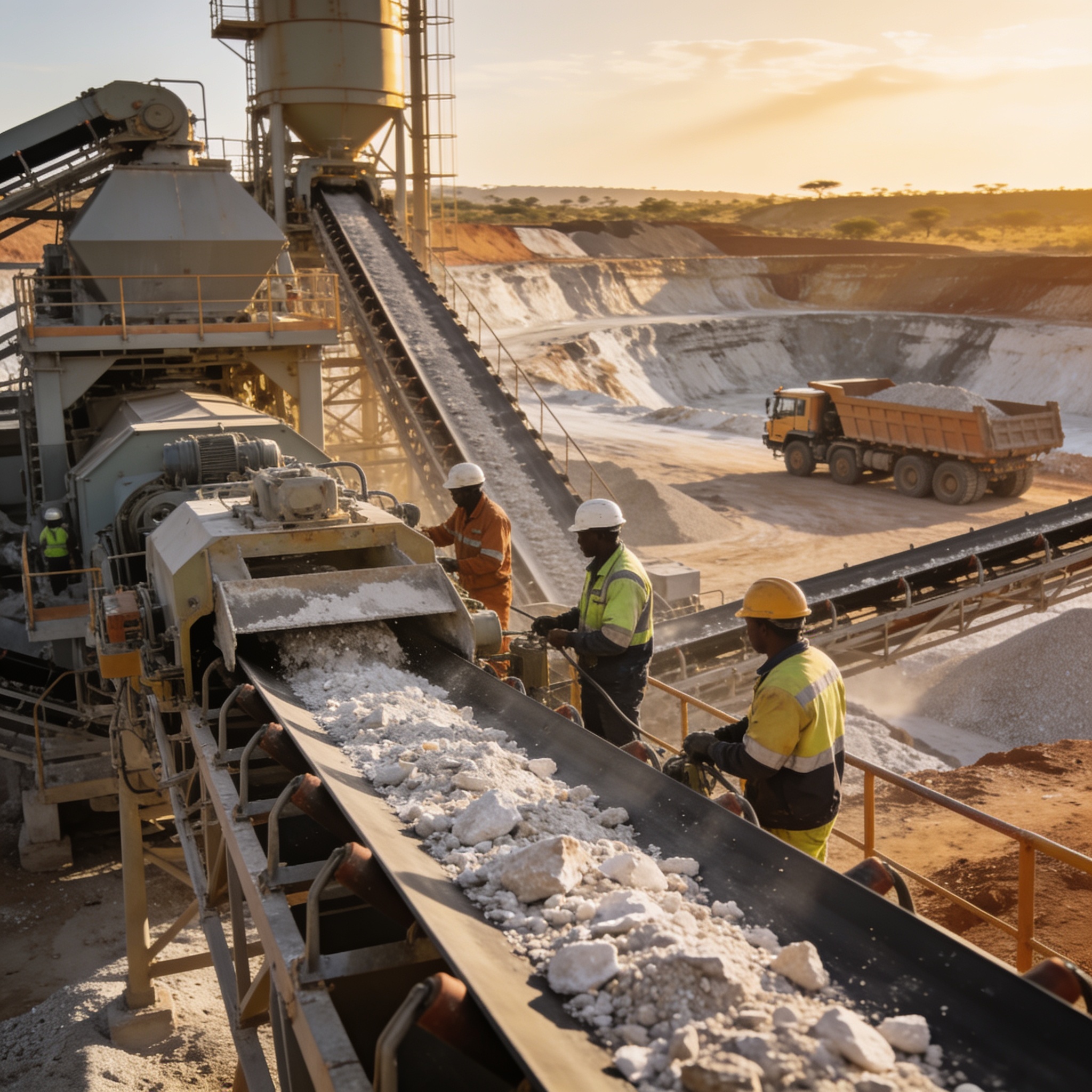
The Minerals Marketing Corporation of Zimbabwe said mineral export sales for the first nine months of the year reached US$4.735 billion, more than double the same period last year. The agency reported volume growth alongside higher prices, with September contributing about US$685 million.
Lithium overtakes PGMs as export champion
Lithium compounds led the rebound, pulling ahead of platinum group metals by roughly US$430 million. Spodumene, petalite and lithium sulphate together accounted for about 45.6 per cent of total mineral sales. The shift shows how critical battery-grade feedstocks have become to the national foreign-currency outlook.
MMCZ general manager Dr Nomusa Moyo linked the performance to expanded processing, stronger producer investment and higher realised prices. She said lithium sulphate alone generated US$190.52 million, a sign that beneficiation is beginning to lift value beyond raw material exports.
Outlook still uneven for final quarter
Despite the strong year-to-date numbers, the final months of 2026 remain mixed. Battery and energy-storage demand continues to support lithium, but buyers are more selective. A surplus of feedstock and cautious restocking could slow price recovery. PGM demand is also expected to stay differentiated, while chrome, coke and diamond markets carry their own risks.
For policymakers, the message is clear: export growth is real, but sustaining it requires stable producer operations, better compliance against mineral leakages and continued support for processing capacity.
Kwekwe targets stall hoarders
At city level, Kwekwe authorities said the issue is not a shortage of vending bays but their control by a few people who secure multiple spaces and re-lease them. Mayor Albert Zinhanga said council is using dialogue to push vendors into designated areas, in line with a government directive aimed at restoring order in central business districts.
Residents should note the timing: with 27 markets, more than 1,200 bays and new operating hours, council argues that informal trade can survive without clogging main streets. The challenge will be enforcement that protects livelihoods rather than rewarding speculative stall holders.
South Africa asylum door reopens, but not for economic migrants alone
Across the border, South Africa has instructed refugee offices to accept new applications from people who express intent to seek protection, even if they arrived irregularly. The directive follows a Constitutional Court ruling that struck down procedural barriers in the Refugees Act.
For Zimbabweans, the reform matters. The court’s decision removes automatic exclusion based on entry method or delay, but it does not guarantee refugee status. Acting Director-General Thulani Mavuso warned that those driven mainly by economic hardship are unlikely to qualify unless they can show credible risk of political persecution or serious harm at home.
Community leaders are urging caution. An asylum paper may offer short-term relief, yet an unfounded application can later be cancelled, exposing migrants to legal and practical risk. The real lesson is that protection systems are narrowing, not loosening.
Zimbabwe healthcare workers in Ireland secure court backing
For workers abroad, a separate case has drawn attention to recruitment failures. Two Zimbabweans, Tatenda Ncube and Brenda Mubaiwa, had awards of more than €30,000 each upheld by Ireland’s Labour Court after they alleged they were brought to work through Unity Healthcare but left without proper employment.
The case is significant for diaspora families because it turns migration into a consumer protection issue as well as a labour one. When recruiters promise jobs and then withhold permits, support or timely information, the damage extends far beyond the contract itself.
Business note: Restapedic sees growth without new machines
In local industry, AXIA Corporation said its Restapedic bed brand can lift monthly production to 10,000 units by using shifts and existing plant capacity, without major machinery investment. Group chief executive Ray Rambanapasi said working capital and timber supply were the practical constraints. The comment matters for domestic manufacturing: Zimbabwe’s firms may need financing and raw-material resilience more than brand-new factories.
What this means for Harare
Thursday’s news connects three themes: export momentum, urban governance and migration risk. Lithium has strengthened Zimbabwe’s earnings outlook, but the same economy cannot rely on minerals alone while vendors, families and job-seekers need dependable systems closer to home. The strongest policy response now is to pair resource-led gains with better enforcement, stronger labour safeguards and credible consumer protection for citizens moving abroad.