
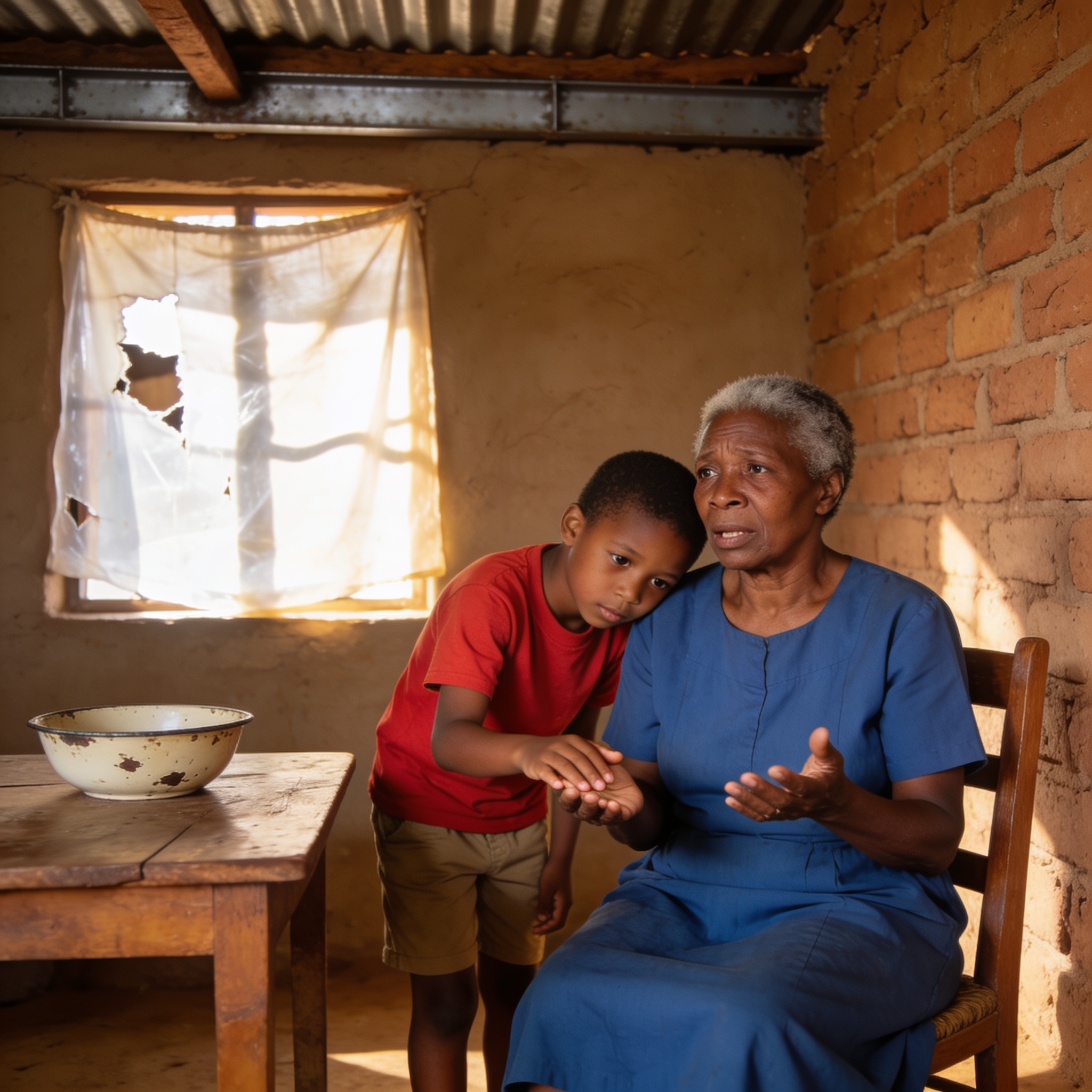
For one Zimbabwean family, a recent visit to their elderly grandmother turned into a painful encounter with the ravages of dementia. The grandson had travelled to see Gogo, expecting the warm embrace he had known all his life. Instead, she looked at him with polite curiosity, her eyes searching his face for a memory that would not come. She did not know who he was.
He later described the moment she failed to recognise him — a grief shared by thousands of families across Zimbabwe who watch loved ones slip away into a fog of forgetfulness.
This poignant scene is becoming increasingly common as Zimbabwe’s elderly population grows. Yet dementia remains a largely hidden condition, shrouded in misunderstanding and stigma. Many dismiss memory loss as a normal part of ageing, delaying diagnosis and leaving families to cope alone.
As the world prepares to mark Alzheimer’s Day on September 21, the spotlight falls on a crisis that Zimbabwe is ill-prepared to handle. There are no official statistics on dementia prevalence in the country, but health experts warn that the number of cases is rising. With few specialised care facilities and limited awareness, the burden falls heavily on families — particularly women — who often become unpaid caregivers without training or support.
In rural areas, the challenge is even greater. Access to healthcare is limited, and cultural beliefs sometimes attribute dementia to witchcraft or spiritual punishment, further isolating those affected.
Dementia is not a normal part of ageing. It is a syndrome caused by diseases such as Alzheimer’s, which progressively destroy brain cells. Early signs include forgetfulness, difficulty finding words, and confusion. As the condition advances, individuals may lose the ability to perform basic tasks, recognise loved ones, and communicate.
In Zimbabwe, there is no national dementia strategy. Advocacy groups have called for improved training for healthcare workers, community awareness campaigns, and support services for caregivers. But progress has been slow.
For the family in our story, the pain is personal. Their experience, however, is universal. As the nation marks World Alzheimer’s Day, it is a reminder that behind every statistic is a person — and a family — struggling to hold on to memories that are fading away.
It is time for Zimbabwe to confront dementia not as a private sorrow, but as a public health priority. With an ageing population, the need for action has never been more urgent.