
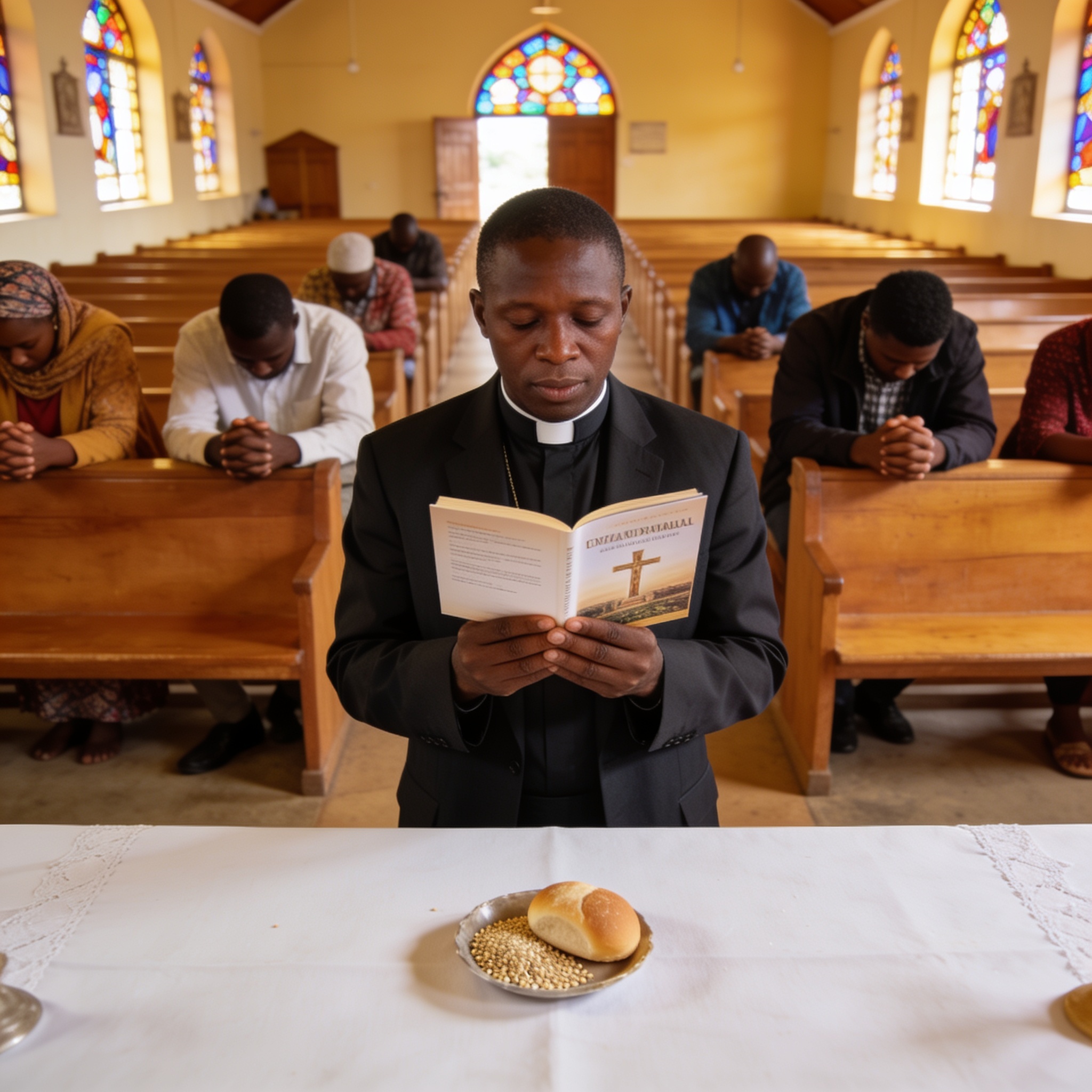
Zimbabwean Catholics and believers around the world will observe Saturday, September 5, 2026, as the twenty-second week in ordinary time, year II. The day’s liturgy offers two powerful scriptural passages that challenge pride, highlight the cost of apostleship and reframe the meaning of the Sabbath.
The first reading is taken from Saint Paul’s first letter to the Corinthians, chapter 4, verses 6b to 15. In this passage, Paul admonishes the Corinthians not to go beyond what is written and warns against being puffed up in favour of one person over another. He reminds them that everything they have is a gift from God, so there is no room for boasting. Paul then contrasts the Corinthians’ self-satisfaction with the harsh reality of apostolic life: he and the other apostles are exhibited as last of all, like men sentenced to death, a spectacle to the world. They hunger and thirst, are poorly clothed, buffeted and homeless, labouring with their own hands. When reviled, they bless; when persecuted, they endure; when slandered, they try to conciliate. Paul calls himself a father in Christ to them through the gospel, not to shame them but to admonish them as beloved children.
The responsorial psalm, drawn from Psalm 145, echoes the theme of divine closeness: “The Lord is close to all who call him.” It underlines God’s justice, holiness and care for those who fear him.
The Gospel acclamation from John 14:6 announces Jesus as the way, the truth and the life. The Gospel, from Luke chapter 6, verses 1 to 5, recounts how Jesus and his disciples walked through grain fields on a Sabbath. The disciples plucked and ate heads of grain, rubbing them in their hands. Some Pharisees challenged them, asking why they were doing what is not lawful on the Sabbath. Jesus responded by citing the example of David, who ate the showbread when he and his companions were hungry, and declared, “The Son of man is lord of the sabbath.”
For Harare and the wider Zimbabwean Catholic community, these readings invite reflection on humility, sacrificial service and a proper understanding of religious practice. The first reading calls believers to recognise that every talent and blessing comes from God, eliminating pride and competition. The gospel reminds worshippers that human need and mercy must guide the observance of religious laws. As the weekend begins, many parishes across Zimbabwe will incorporate these themes into Saturday Mass and Bible study sessions.
Readings are provided in both English and Shona for the benefit of local congregations, with the Shona version offering the same scriptural passages for vernacular liturgy. Catholics are encouraged to read the texts ahead of Mass, meditate on the call to humility and remember that the Lord is close to all who call on him in truth.