
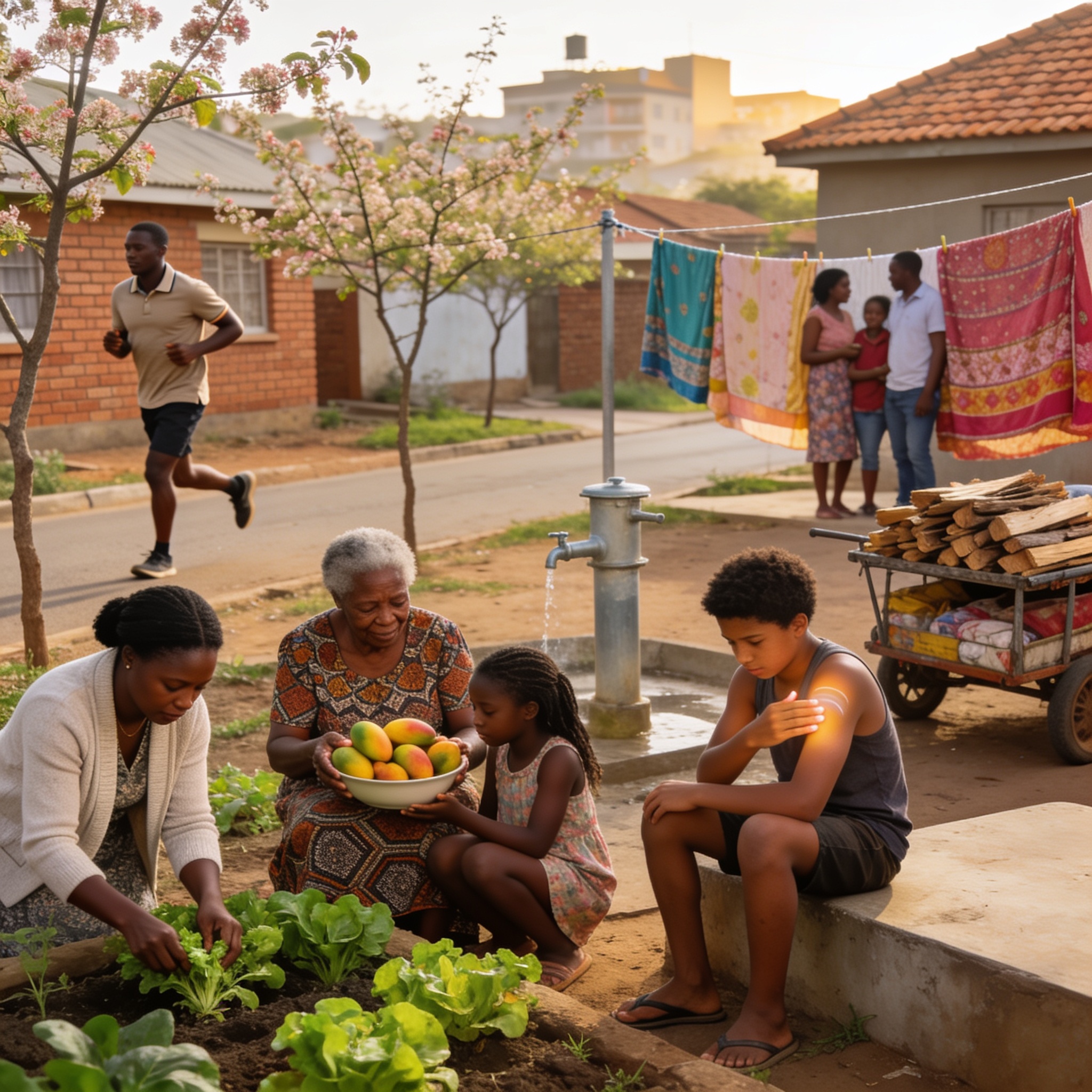
As the calendar turns to late August, Zimbabweans are feeling the first hints of spring after a typically dry and chilly winter. While the warmer days are welcome, the transition between seasons can put extra strain on the body, increasing the risk of respiratory infections, allergies and dehydration.
Health practitioners across Harare and other urban centres note that this period often brings a spike in flu-like symptoms, dry coughs and skin irritations. The sudden shifts in temperature — cold mornings followed by warmer afternoons — can challenge the immune system, especially for children, the elderly and those with chronic conditions.
One of the most important steps during this seasonal change is to stay hydrated. Many people reduce their water intake during winter because they feel less thirsty, but as temperatures rise, the body needs more fluids to function well. Drinking at least two litres of water a day helps maintain energy levels and supports the immune system.
Nutrition also plays a key role. Including seasonal fruits and vegetables rich in vitamin C, such as oranges, lemons, guavas and leafy greens, can strengthen the body’s defences. Warm soups and teas with ginger, garlic and lemon are popular local remedies that can soothe sore throats and ease congestion.
For those prone to allergies, the start of spring means an increase in pollen and dust. Keeping windows closed during windy days, washing bedding regularly and using a clean cloth mask when outdoors can reduce exposure. People with asthma should ensure they have their inhalers and medication up to date.
Another practical tip is to dress in layers. Mornings and evenings can still be quite cool, while midday temperatures can feel hot. Wearing removable layers allows the body to adjust gradually without sudden exposure to cold air, which can trigger respiratory problems.
Finally, adequate rest and regular physical activity remain essential. A short walk in the early morning or late afternoon, when the sun is gentle, can improve circulation and mood. But avoid strenuous exercise during the hottest part of the day to prevent heat exhaustion.
By making these small adjustments, Zimbabweans can embrace the change of seasons with energy and good health, ready to enjoy the blossoming spring ahead.